





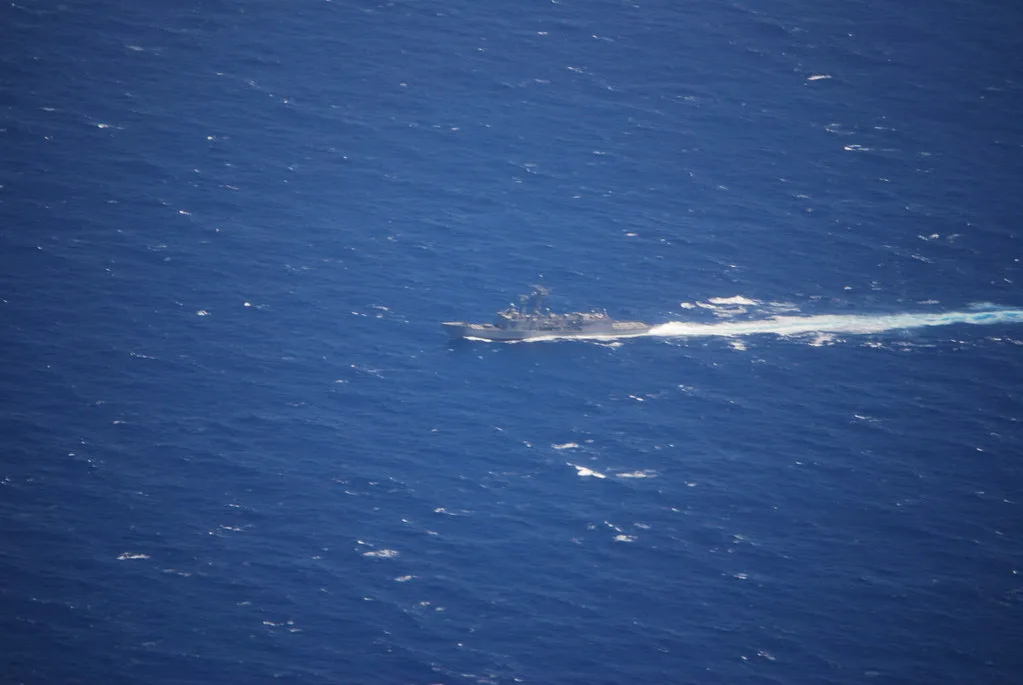
Iranian officials officially responded this week to a comprehensive U.S.-led proposal aimed at de-escalating regional tensions, signaling a potential 30-day extension to the current cease-fire and the reopening of the strategically vital Strait of Hormuz. The diplomatic outreach, which took place through back-channel communications in neutral territory, marks a pivotal moment in the ongoing efforts to stabilize global energy transit routes and reduce military posturing in the Persian Gulf.
Context of the Diplomatic Shift
The Strait of Hormuz serves as a critical artery for global commerce, with approximately 20% of the world’s petroleum liquids passing through its narrow waters daily. Recent months saw a sharp rise in regional hostilities, leading to a de facto closure of the waterway that sent global oil prices surging and prompted international concerns over supply chain disruptions.
The U.S. proposal seeks to leverage the current cease-fire to establish a long-term framework for maritime security. By offering a 30-day extension, Washington aims to provide a window for formal negotiations regarding the transit of commercial vessels, which have faced significant interference and seizure risks during the recent period of instability.
Detailed Coverage of the Negotiation
Tehran’s response, while cautious, suggests a willingness to engage in technical discussions regarding the reopening of the strait. Analysts note that Iran’s primary objective remains the easing of international economic pressure, while the U.S. remains focused on ensuring the unimpeded flow of energy resources to international markets.
The proposal includes provisions for international maritime monitoring, a point that has historically been contentious for Iranian military leaders. However, the potential for a 30-day extension provides a cooling-off period that diplomats hope will allow for the easing of localized military tensions. Sources close to the negotiations indicate that both parties are under significant pressure from international stakeholders to avoid a broader conflict that could destabilize the global economy.
Expert Perspectives and Economic Data
Energy analysts from the International Energy Agency (IEA) have highlighted that any prolonged closure of the Strait of Hormuz carries an existential risk to global inflationary stability. Data from recent market reports indicates that even a brief reopening of the strait could result in a 5% to 8% drop in global crude oil prices, providing immediate relief to consumer markets.
Dr. Elena Vance, a senior researcher at the Center for Global Maritime Security, observes that the current diplomatic dialogue represents a rare alignment of interests.