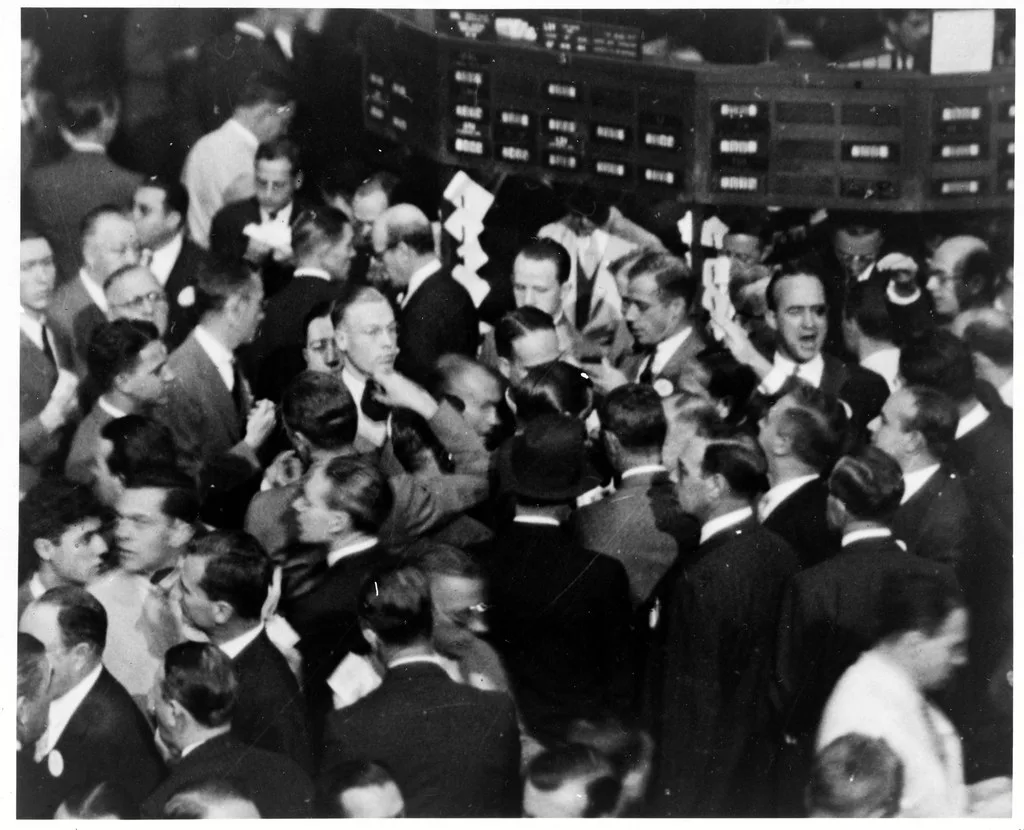






Global financial markets experienced a sharp downturn on Thursday as renewed military clashes between the United States and Iran shattered investor optimism regarding a potential resolution to the 10-week conflict. The sudden escalation in the Middle East caused crude oil prices to surge, reversing a week-long rally that had been fueled by hopes of an imminent diplomatic breakthrough in the region.
The Fragile State of Geopolitical Stability
For the past two months, the ongoing conflict has served as a primary driver of market volatility, keeping energy traders on edge. Investors had previously signaled growing confidence that a ceasefire was within reach, leading to a period of relative stability in equity valuations and energy futures.
The sudden reversal of these expectations reflects the deep-seated sensitivity of global supply chains to developments in the Persian Gulf. Any disruption in this critical transit zone historically forces a re-evaluation of risk premiums across all asset classes.
Energy Markets React to Supply Fears
As news of the skirmishes broke, Brent Crude prices spiked by nearly 4% in early morning trading, reflecting immediate concerns over potential blockades or infrastructure damage. Energy analysts point out that even minor escalations in the region can lead to significant price swings due to the high volume of daily global oil transit moving through the Strait of Hormuz.
Market participants are now bracing for extended volatility. The energy sector, which had been cooling alongside broader inflationary pressures, is once again facing a supply-side shock that could complicate central bank efforts to manage consumer prices.
Investor Sentiment and Market Fallout
Equities in Europe and the United States fell in tandem, with major indices recording their steepest single-day declines of the month. Financial institutions and institutional investors are shifting capital toward traditional safe-haven assets, including gold and government bonds, as the appetite for risk evaporates.
According to data from the International Energy Agency, the persistent uncertainty surrounding the conflict has already dampened industrial output projections for the third quarter. Analysts emphasize that the market is particularly vulnerable to ‘headline risk,’ where unverified reports or rapid military developments trigger automated trading algorithms, further exacerbating downward momentum.
Economic Implications for the Global Economy
The primary concern for economists is the potential for a sustained rise in energy costs to act as a tax on consumers, effectively stalling the recent economic recovery seen in western markets. If oil prices remain elevated for an extended period, the resulting increase in transportation and manufacturing costs will likely bleed into the broader Consumer Price Index (CPI).
For the average reader, this means that while the conflict remains localized in the Middle East, the ripple effects are increasingly likely to be felt at the gas pump and in the cost of essential goods. Central banks may find themselves in a precarious position, forced to balance the need to curb inflation against the risk of tightening monetary policy during a period of geopolitical instability.
Looking Ahead
Market observers are now closely monitoring diplomatic channels for any signs of de-escalation or formal intervention by regional mediators. The next 48 hours will be critical in determining whether this clash represents a temporary flare-up or a fundamental breakdown in the ongoing peace process. Investors should prepare for continued high-frequency trading and erratic price movements as the situation remains fluid.