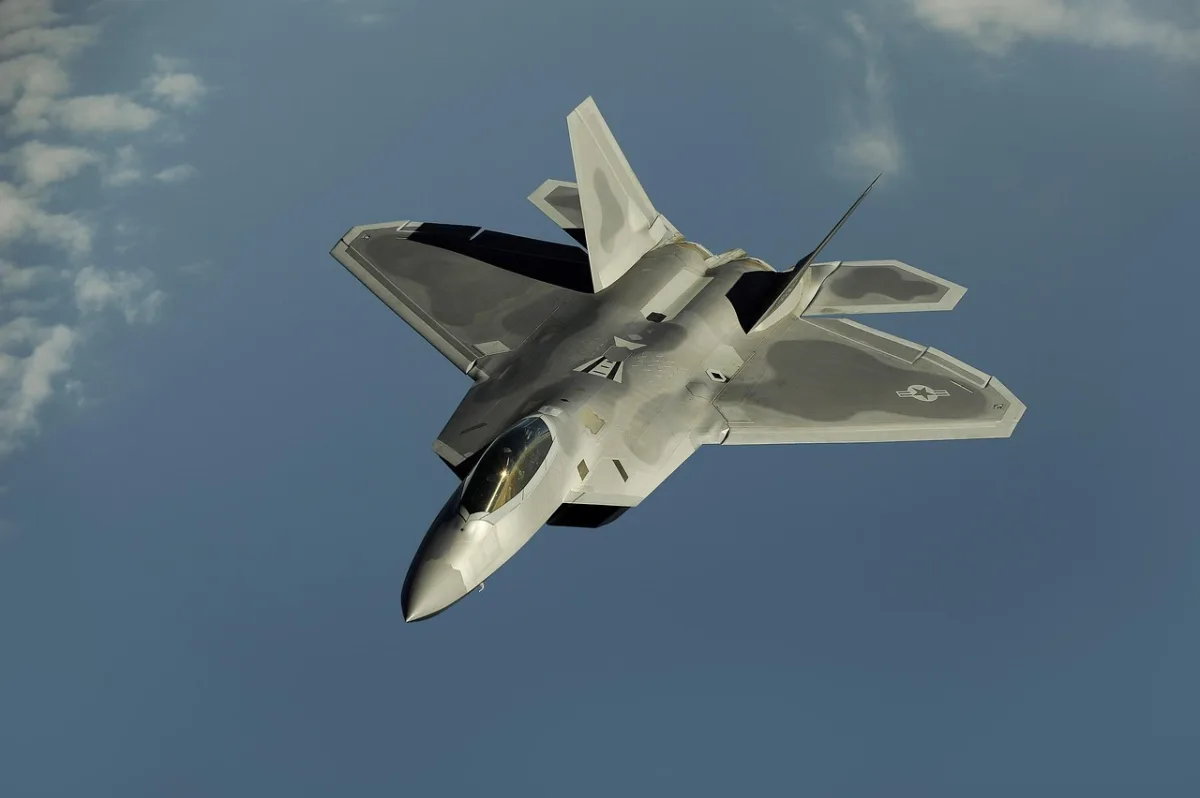





The United States military initiated a series of targeted self-defense strikes against Iranian installations this week, responding to reports that U.S. warships came under fire while operating in the Middle East. President Donald Trump, addressing the escalation from Washington, reaffirmed his administration’s stance that Tehran remains open to a negotiated settlement to de-escalate the ongoing regional conflict. Simultaneously, the Iranian government has asserted its new role as the primary regulator of commercial shipping within the strategic Strait of Hormuz, further tightening geopolitical tensions in the region.
The Strategic Significance of the Strait
The Strait of Hormuz serves as the world’s most critical maritime chokepoint, with approximately one-fifth of the world’s global oil consumption passing through its narrow waters daily. Control over this passage has long been a focal point of regional friction, with Iran frequently threatening to disrupt transit in response to international economic sanctions.
Recent maneuvers by the Iranian Revolutionary Guard Corps have seen an increase in the deployment of fast-attack craft and anti-ship missile batteries along the coastline. These tactical movements have prompted the U.S. Navy to increase its patrol frequency to ensure the freedom of navigation for international merchant vessels.
Escalating Tensions and Military Responses
The recent exchange of fire marks a significant shift in the rules of engagement for American forces in the theater. While U.S. officials have characterized the strikes as limited and defensive in nature, the direct confrontation between American warships and Iranian assets represents an escalation from the previous pattern of proxy-based conflicts.
Defense analysts suggest that these strikes are intended to serve as a deterrent against further aggression. By targeting specific launch sites, the U.S. aims to degrade Iran’s ability to threaten maritime traffic without triggering a broader, full-scale military conflict.
Diplomatic Perspectives and Market Impact
Despite the military activity, President Trump continues to express optimism regarding a potential diplomatic breakthrough. Administration officials indicate that behind-the-scenes channels remain active, with the goal of bringing Iranian leadership back to the negotiating table to finalize a comprehensive deal.
Economic markets have responded with caution, as oil prices fluctuate based on the perceived risk to global supply chains. Financial experts monitor the situation closely, noting that any prolonged closure of the Strait would likely result in immediate inflationary pressure on energy costs globally.
Future Implications and Regional Stability
The coming weeks will be critical in determining whether this cycle of violence leads to a wider confrontation or a return to diplomatic posturing. Observers are watching for signs of de-escalation from Tehran, particularly regarding its stated claims of regulatory authority over the Strait.
If Iran continues to enforce its self-declared shipping regulations, the U.S. may be forced to increase its naval presence or escort operations to protect commercial interests. The balance between maintaining regional security and avoiding an unintended war remains the primary challenge for international policy makers in the immediate future.