



Hyundai Motor India Limited (HMIL) reported a 22% year-on-year decline in its fourth-quarter profit after tax (PAT), totaling ₹1,256 crore, as the automaker navigates a challenging domestic market. For the full fiscal year 2024, the company recorded a PAT of ₹5,432 crore, marking a 4% decrease compared to the previous year, despite announcing significant infrastructure investments to bolster its long-term production capacity.
Context and Market Performance
The recent financial disclosures highlight the pressures currently facing India’s passenger vehicle sector, including cooling demand and high inventory levels at dealerships. While the company saw a dip in annual profitability, the board of directors has responded by declaring a dividend of ₹21 per share, reflecting a commitment to shareholder value despite the contraction in bottom-line growth.
Hyundai remains the second-largest automaker in India, trailing only Maruti Suzuki. The company’s performance is closely monitored as a bellwether for the broader automotive industry’s health, particularly as consumer preferences shift toward SUVs and electric vehicles.
Strategic Production Expansion
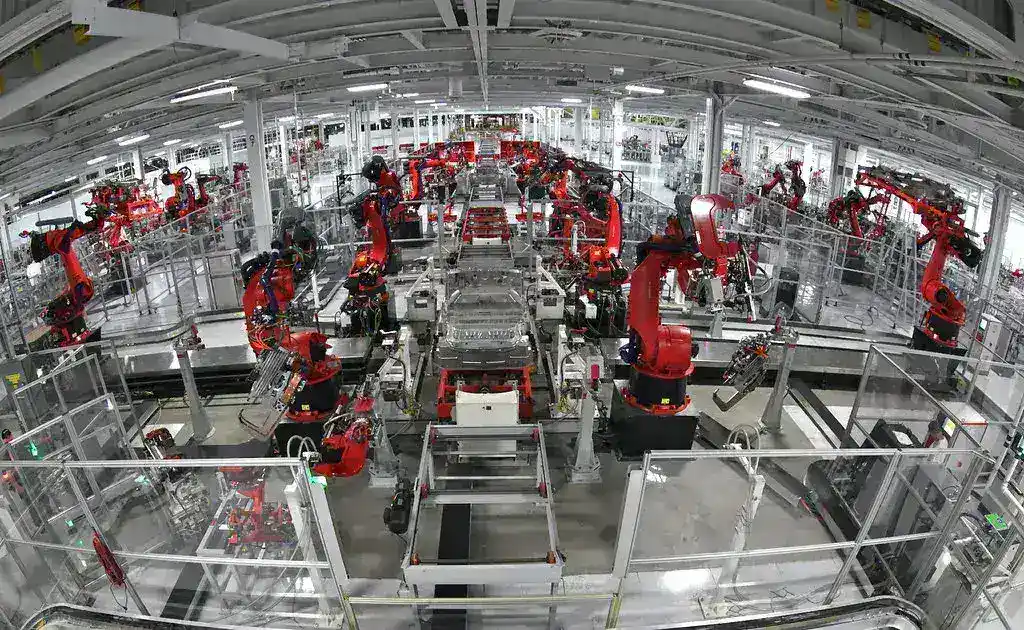
In a move to secure future market share, Hyundai Motor India has confirmed a major expansion of its Pune manufacturing facility. By adding an additional 70,000 units of capacity beyond its previously planned Phase-II targets, the company aims to reach a total production capacity of 1.14 million units by 2030.
This aggressive capital expenditure strategy underscores the company’s long-term optimism for the Indian market. By scaling production, Hyundai intends to optimize operational efficiencies and reduce lead times to better meet evolving consumer demand for high-end features and diverse powertrain options.
Industry Perspectives
Market analysts note that the automotive industry is currently experiencing a transition period characterized by inventory corrections and a slowdown in entry-level vehicle sales. According to data from the Federation of Automobile Dealers Associations (FADA), the sector has struggled with high stock levels over recent months, forcing manufacturers to recalibrate production schedules.
“The decision to expand capacity during a period of earnings volatility indicates that Hyundai is prioritizing long-term volume growth over short-term margin protection,” noted an industry consultant familiar with the company’s operations. This forward-looking approach is designed to ensure that the automaker is well-positioned when the market cycle turns positive and demand stabilizes.
Future Implications and Outlook
The path forward for Hyundai Motor India will depend on its ability to maintain its premium positioning while managing the costs associated with its massive capital investment projects. Investors and stakeholders will be watching the company’s ability to optimize its current capacity utilization rates in the coming quarters.
Key indicators to watch include the rollout of upcoming vehicle models and the pace of the Pune facility expansion. As the company works toward its 1.14 million-unit goal, the success of its electrification strategy and its ability to weather cyclical economic headwinds will be the primary drivers of its future financial performance.