





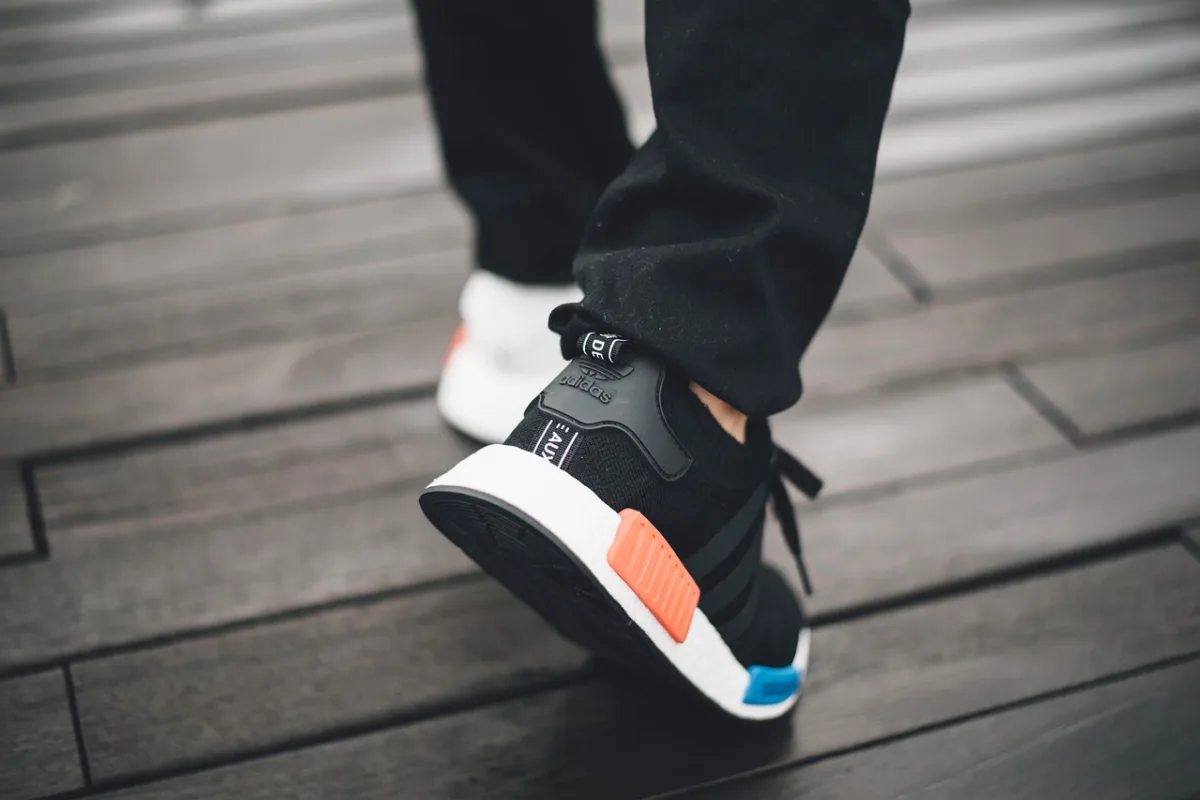
Adidas has officially introduced the Hyperboost Edge to the Indian market, positioning the footwear as a high-performance solution for both endurance athletes and urban commuters. Priced at ₹19,999, the model aims to bridge the gap between rigorous training blocks and the demands of daily city navigation, focusing on durability and consistent energy return.
Context and Evolution of Hybrid Footwear
The athletic footwear industry has seen a significant shift toward ‘hybrid’ models over the past three years. As urban centers become the primary training ground for modern runners, brands are moving away from hyper-specialized track shoes in favor of versatile designs that handle pavement, concrete, and gym surfaces with equal efficacy.
The Hyperboost Edge arrives as a strategic response to this trend. By utilizing proprietary foam technology, Adidas is attempting to capture a demographic that prioritizes aesthetic versatility alongside technical performance metrics.
Performance Engineering and Urban Utility
At the core of the Hyperboost Edge is a redesigned midsole architecture engineered to provide high-rebound cushioning. This technology is designed to reduce foot fatigue during high-mileage training sessions while maintaining stability for lateral movements often required in city environments.
Industry analysts note that the pricing strategy reflects a premium tier positioning. By setting the retail price at ₹19,999, Adidas signals that this product is intended to compete with top-tier daily trainers that offer both longevity and technical sophistication.
Expert Perspectives on Market Positioning
Market analysts suggest that the footwear market is currently bifurcated between ultra-light racing shoes and heavy-duty lifestyle sneakers. The Hyperboost Edge seeks to occupy the middle ground, offering a ‘rotation-ready’ shoe that does not sacrifice support for style.
Data from recent industry performance reports indicates that consumers are increasingly seeking ‘one-shoe’ solutions to simplify their gear collections. The emphasis on high-mileage durability suggests the model is built to withstand the abrasive nature of urban asphalt, a common pain point for daily runners.
Industry Implications and Future Outlook
The success of this model could dictate future design language for Adidas’s urban-focused lines. If the Hyperboost Edge gains traction, expect to see more integration of high-performance foam into lifestyle-oriented silhouettes across the industry.
Moving forward, observers should monitor how the market responds to the price point, particularly as economic factors influence consumer spending on premium athletic gear. The next phase for this product line will likely involve iterative updates focusing on sustainable material sourcing and weight reduction without compromising the structural integrity that currently defines the Edge series.