



A Symbol of Resilience in Gaza City
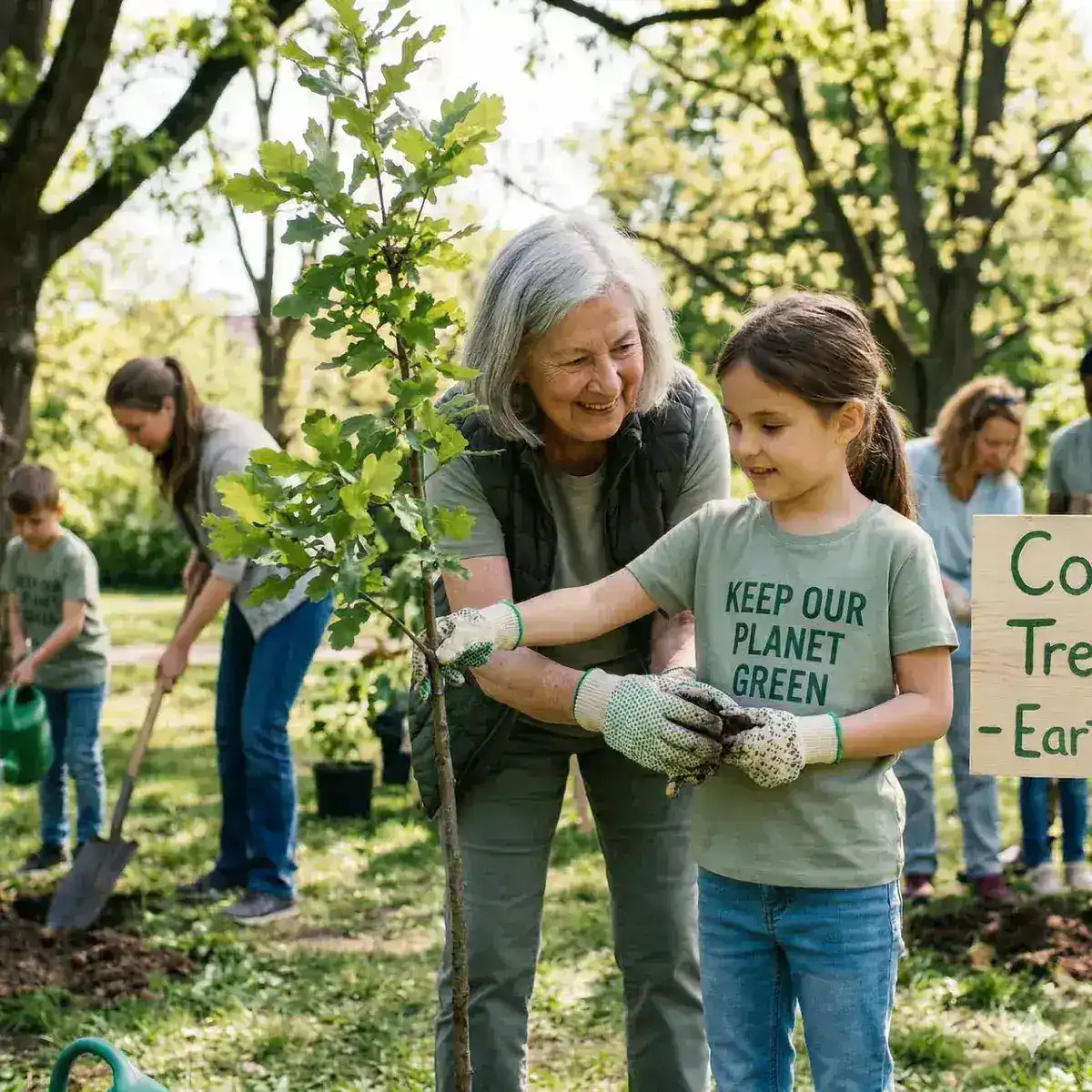
In a poignant display of endurance, a group of Palestinian volunteers gathered at the heavily damaged al-Shifa Hospital in Gaza City this week to clear debris and plant olive trees in the facility’s courtyard. The initiative, which took place amidst the ongoing humanitarian crisis, serves as a symbolic act of defiance against the destruction that has rendered Gaza’s largest medical complex largely non-functional.
Contextualizing the Damage at Al-Shifa
Al-Shifa Hospital, once the cornerstone of Gaza’s healthcare system, has been the site of intense military operations and subsequent structural devastation over the past several months. According to reports from the World Health Organization (WHO), the hospital has suffered catastrophic damage, with most of its departments, operating theaters, and diagnostic equipment left in ruins. The site has transitioned from a life-saving medical hub to a landscape of twisted metal and pulverized concrete.
The Significance of the Olive Tree
For the volunteers involved, the choice of the olive tree is deeply rooted in Palestinian cultural identity. The olive tree is widely regarded as a symbol of peace, longevity, and an unbreakable connection to the land. By planting these saplings in the middle of a war-torn hospital courtyard, the participants aim to reclaim a space defined by trauma and transform it into a site of potential renewal.
Humanitarian Challenges and Medical Infrastructure
The act of planting trees highlights the stark reality of the collapse of public services in the region. Humanitarian organizations, including the United Nations, have warned that the destruction of medical infrastructure has left hundreds of thousands of people without access to essential care. While the planting of trees does not replace the urgent need for surgical units or emergency power, local organizers describe it as a necessary psychological intervention for a population enduring prolonged displacement and loss.
Expert Perspectives on Recovery
Urban planning experts suggest that the clearing of rubble and the introduction of greenery are often the first, albeit small, steps in the long-term process of post-conflict reconstruction. Dr. Hisham Abu-Taha, a regional health policy analyst, noted that while the physical reconstruction of al-Shifa will take years and billions of dollars, the symbolic reclaiming of public spaces by citizens is a critical component of community healing. Data from the United Nations Mine Action Service (UNMAS) indicates that the clearing of debris remains a hazardous task, with much of the site still contaminated by unexploded ordnance.
Looking Ahead: The Long Road to Rebuilding
The international community remains focused on the broader geopolitical negotiations required to facilitate the reconstruction of Gaza’s essential services. As humanitarian aid groups continue to push for a sustainable ceasefire and the safe restoration of medical facilities, the olive trees at al-Shifa stand as a markers of patience. Observers will be watching to see if such grassroots initiatives can gain broader support or if the structural insecurity of the region will continue to impede basic site restoration efforts in the months to come.