





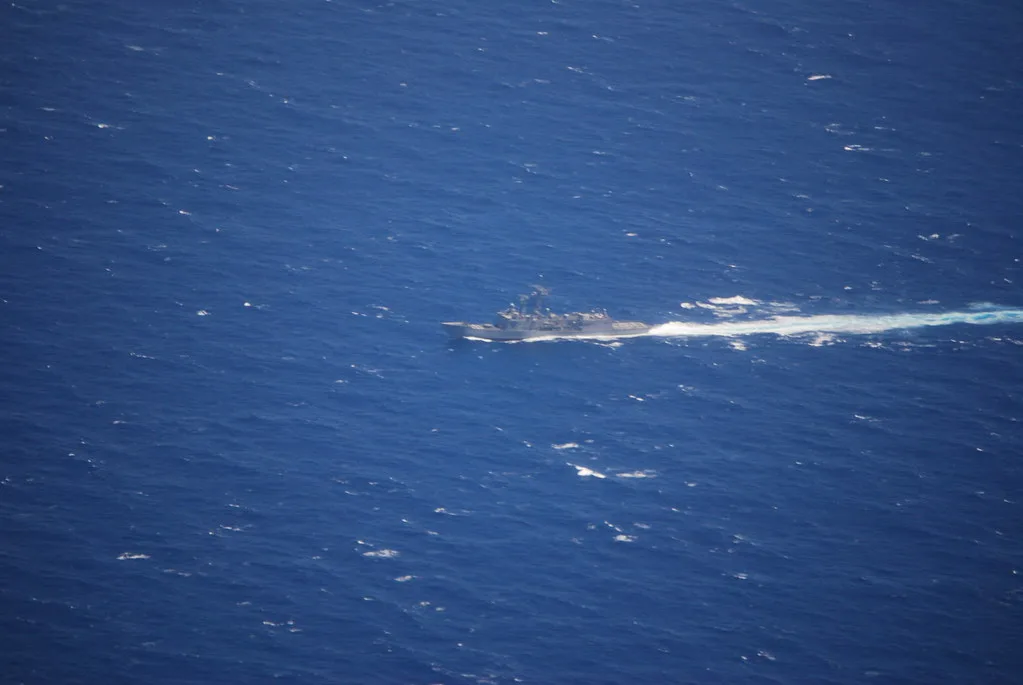
Global oil prices spiked sharply on Tuesday following reports of direct military engagement between United States naval forces and Iranian assets in the Strait of Hormuz. The incident, which occurred in the early morning hours, has triggered immediate concerns regarding the stability of the world’s most critical maritime oil transit chokepoint.
The Strategic Significance of the Strait
The Strait of Hormuz serves as the world’s most important oil transit artery, with approximately 21 million barrels of oil passing through the waterway daily. This volume represents roughly one-fifth of global oil consumption, making any disruption in the narrow passage a major catalyst for price volatility in international energy markets.
Historically, the region has served as a flashpoint for geopolitical tensions between Tehran and Washington. Previous incidents in the area have frequently resulted in temporary spikes in Brent and West Texas Intermediate (WTI) crude benchmarks as traders price in the risk of supply chain blockages.
Market Reaction and Volatility
Brent crude futures surged by nearly 4% in the immediate aftermath of the news, climbing toward $85 per barrel. Market analysts suggest that the jump reflects a sudden realization among investors that the risk premium for Middle Eastern energy exports has been underestimated for several months.
Energy market data from the International Energy Agency (IEA) indicates that global inventories remain relatively tight. This lack of a supply buffer leaves the market highly sensitive to news of potential shipping interruptions or localized conflict, exacerbating the upward pressure on prices.
Expert Perspectives on Supply Security
Energy security experts warn that while the current military engagement may remain localized, the psychological impact on shipping insurance premiums could be substantial. “Even without a total closure of the Strait, the threat of escalation forces tanker operators to reconsider routes or pay significantly higher war-risk insurance premiums,” noted Sarah Jenkins, a senior energy analyst at Global Commodity Insights.
Data from maritime tracking firms confirms that several vessels have already adjusted their speed and trajectory in response to the heightened security alerts in the Persian Gulf. This shift in logistics can lead to delays in crude delivery schedules, further tightening the spot market for immediate supply.
Implications for Global Energy Consumers
The immediate consequence for consumers is the potential for rising fuel costs at the pump. When benchmark crude prices increase, gasoline and diesel prices typically follow within a matter of weeks, placing additional pressure on inflationary trends that central banks have been struggling to manage.
For the broader energy industry, the incident serves as a stark reminder of the fragile nature of global oil distribution networks. Corporations are now likely to accelerate capital allocation toward diversified supply chains and increased strategic petroleum reserves to mitigate future exposure to regional instability.
Market participants will now watch for official statements from both Washington and Tehran regarding the extent of the damage to naval vessels and any potential for further retaliatory actions. Observers should monitor upcoming maritime safety briefings and potential interventions by regional allies, which will determine whether this price spike represents a short-term reaction or the beginning of a sustained period of energy market volatility.