





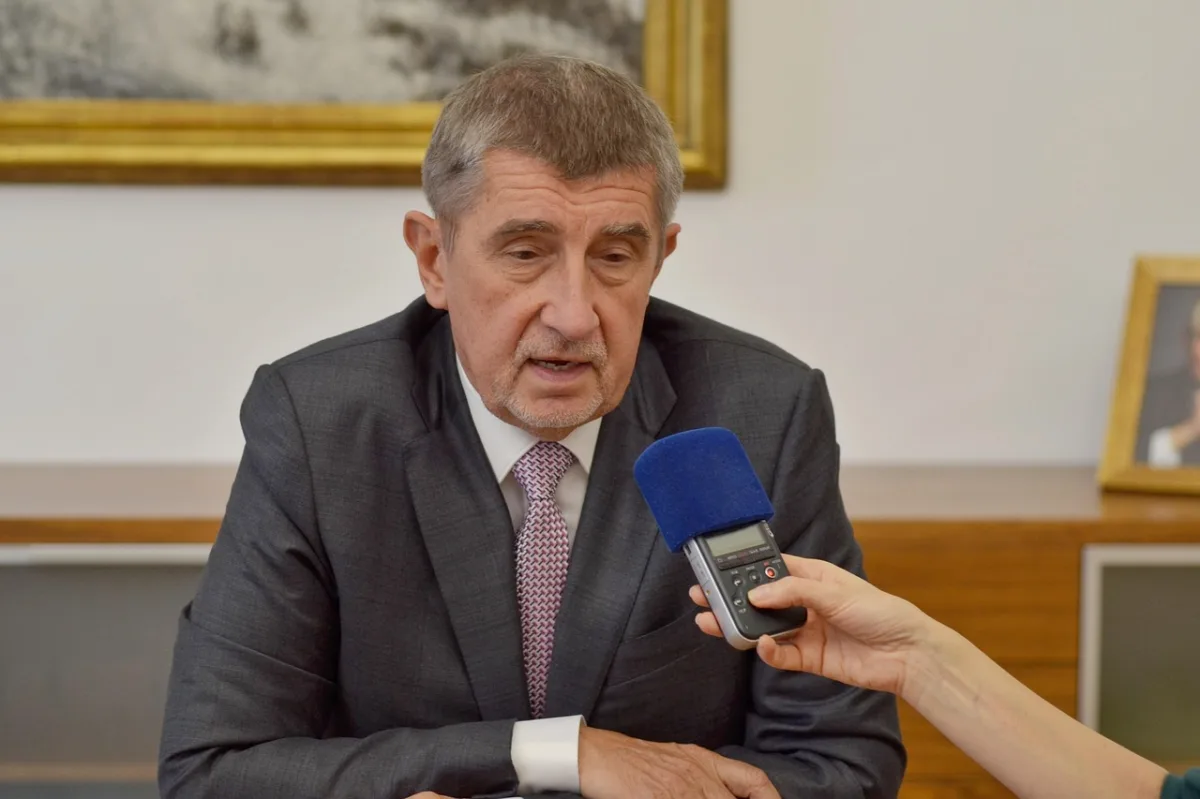
A New Chapter for Budapest
Péter Magyar was officially sworn in as Hungary’s Prime Minister this week in Budapest, marking a significant transition in the nation’s leadership. The 45-year-old takes office following a period of intense political volatility, pledging a comprehensive agenda focused on economic reform and institutional change. His primary challenge remains the immediate stabilization of a domestic economy struggling with high inflation and stagnant growth.
The Road to Power
Magyar’s ascent to the premiership follows months of growing public discontent regarding the previous administration’s handling of fiscal policy and international relations. His campaign centered on anti-corruption reforms and a pragmatic approach to governance that resonated with a diverse coalition of voters. This transition occurs at a critical juncture, as the nation navigates its role within an increasingly fragmented European political landscape.
The EU Funding Dilemma
The most pressing issue facing the new administration is the status of billions of euros in suspended European Union funding. Brussels has withheld these resources over long-standing disputes concerning the rule of law and judicial independence within Hungary. Analysts suggest that securing these funds is not merely a political victory, but a structural necessity to prevent further fiscal deterioration.
Economic Pressures and Fiscal Realities
Data from the Hungarian Central Statistical Office indicates that public debt remains a significant burden, complicating efforts to revitalize the economy. Economists point out that the state’s reliance on external financing leaves little room for maneuver without the release of EU grants. The government must now balance the demand for populist economic relief with the strict fiscal requirements imposed by international creditors.
Expert Perspectives
Political analysts note that Magyar faces a narrow path to success. “The honeymoon period will be dictated by his ability to demonstrate genuine institutional reform to European authorities,” says Dr. Elena Vance, a senior fellow at the Center for European Policy. “Without a tangible shift in transparency, the financial impasse is unlikely to break, regardless of the administration’s new rhetoric.”
Domestic and International Implications
For the average Hungarian citizen, the change in leadership brings both hope for economic relief and anxiety over potential austerity measures. Business leaders are watching closely to see if the new government will streamline regulatory processes or maintain existing protectionist policies. The international community, meanwhile, remains cautious, waiting to see if Magyar can translate his campaign promises into legislative action that aligns with EU standards.
The Path Forward
Observers are currently tracking the first round of negotiations between Budapest and the European Commission scheduled for next month. Whether the new administration can successfully unlock the frozen assets will serve as the primary litmus test for Magyar’s tenure. The coming weeks will reveal if the government can foster the necessary political compromise to restore investor confidence and stabilize the national currency.