



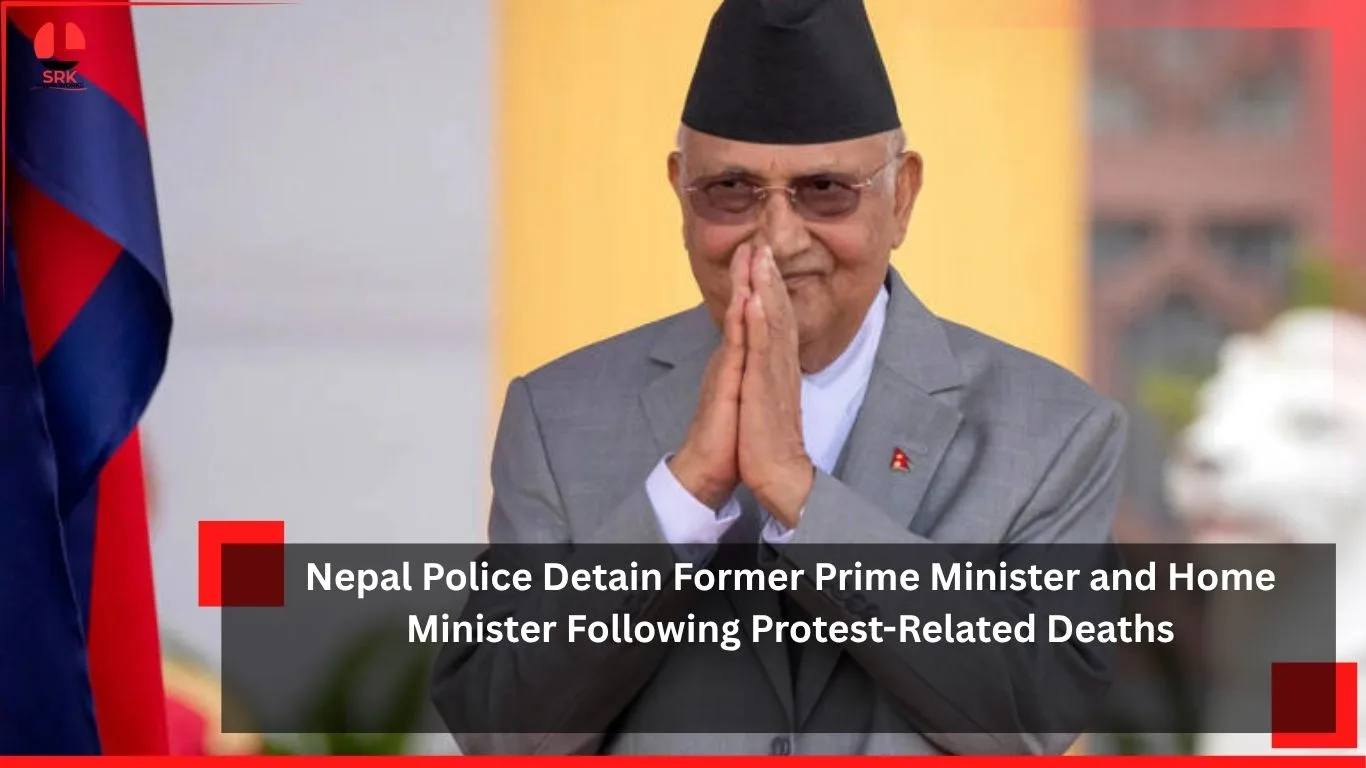
Nepal has been thrust into political turmoil after police detained a former prime minister and a former home minister in connection with protest-related deaths. The detentions mark a significant escalation in the country’s ongoing struggle with governance, accountability, and public unrest. The incident has sparked widespread debate about political responsibility, state violence, and the fragile balance between democracy and law enforcement in Nepal.
Background of the Protests
The protests that led to the detentions were triggered by grievances over economic hardship, corruption allegations, and dissatisfaction with government policies. Demonstrations quickly escalated, resulting in violent clashes between protesters and police forces. Several deaths were reported, prompting calls for accountability at the highest levels of government.
Key Causes of Protests:
- Rising unemployment and economic instability.
- Allegations of corruption in public projects.
- Demands for greater transparency in governance.
- Frustration with political leadership and lack of reforms.
The Detentions
Police detained the former prime minister and home minister, citing their alleged role in authorizing or failing to prevent excessive force during the protests. The move is unprecedented in Nepal’s recent political history and signals a shift toward holding senior leaders accountable for state actions.
| Detained Leader | Position Held | Reason for Detention |
|---|---|---|
| Former Prime Minister | Head of government | Alleged failure to prevent violence |
| Former Home Minister | Oversaw law enforcement | Accused of authorizing excessive force |
Political Reactions
The detentions have triggered strong reactions across Nepal’s political spectrum. Supporters of the move argue it is a necessary step toward justice, while critics claim it is politically motivated and undermines democratic institutions.
- Ruling Party: Defends detentions as part of accountability measures.
- Opposition Parties: Condemn the move as an attack on political rivals.
- Civil Society: Divided between calls for justice and concerns about political misuse of law enforcement.
Pivot Analysis: Stakeholder Narratives
| Stakeholder | Narrative | Implication |
|---|---|---|
| Police | Acting on evidence of misconduct | Strengthens rule of law |
| Government | Ensuring accountability | Risk of political backlash |
| Opposition | Political vendetta | Deepens polarization |
| Citizens | Demand justice for deaths | Growing distrust in institutions |
| International Community | Calls for fair trial | Pressure on Nepal’s democracy |
Social Impact
The deaths during the protests have left a lasting impact on Nepalese society. Families of victims demand justice, while communities remain wary of further unrest. The detentions may provide some sense of accountability, but they also risk inflaming tensions if perceived as politically motivated.
Historical Context
Nepal has a history of political instability, with frequent changes in leadership and clashes between state forces and citizens. The current crisis echoes past struggles where accountability for state violence was rarely enforced. This time, however, the detentions of senior leaders mark a new precedent.
International Reactions
- India: Calls for stability and peaceful resolution.
- China: Emphasizes non-interference but urges calm.
- United Nations: Stresses the importance of fair trials and human rights.
- Global NGOs: Demand transparency in investigations.
Possible Outcomes
| Scenario | Impact |
|---|---|
| Fair trial and accountability | Strengthens democracy |
| Political misuse of detentions | Weakens institutions |
| Escalation of protests | Risk of further violence |
| Reconciliation efforts | Opportunity for reform |
Conclusion
The detention of Nepal’s former prime minister and home minister following protest-related deaths represents a watershed moment in the country’s political journey. While the move signals a push for accountability, it also raises concerns about political motivations and the fragility of democratic institutions. The coming months will determine whether Nepal emerges stronger through justice and reform or sinks deeper into political instability.
Disclaimer
This article is intended for informational and analytical purposes only. It does not represent the official stance of any government, institution, or individual mentioned. The content is based on political analysis, historical context, and public reports. Readers are encouraged to explore multiple perspectives for a comprehensive understanding of the issue.