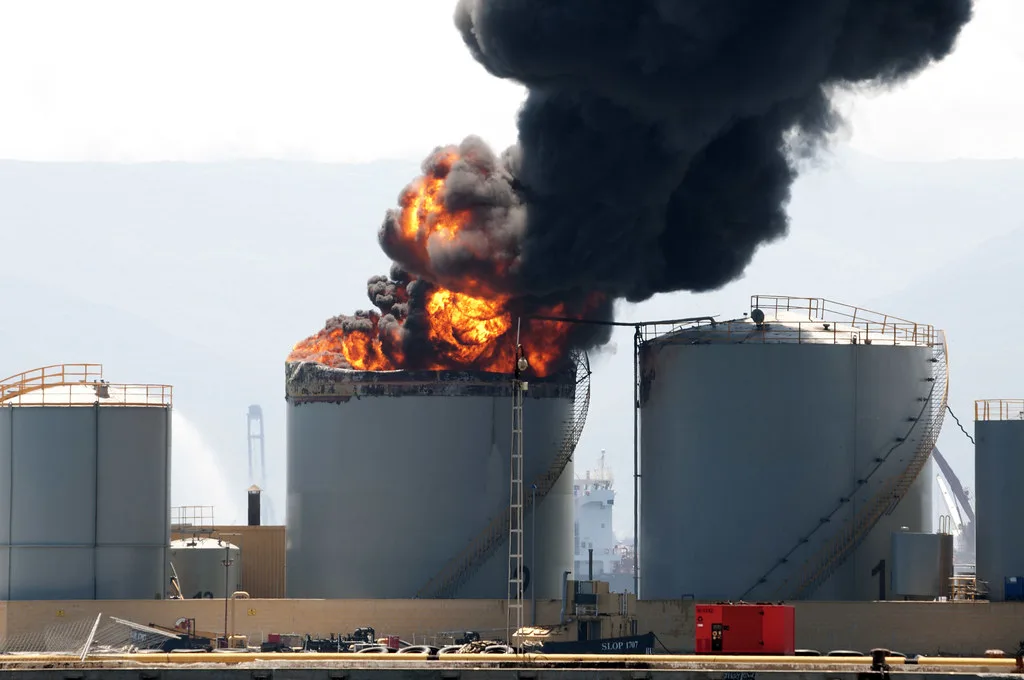




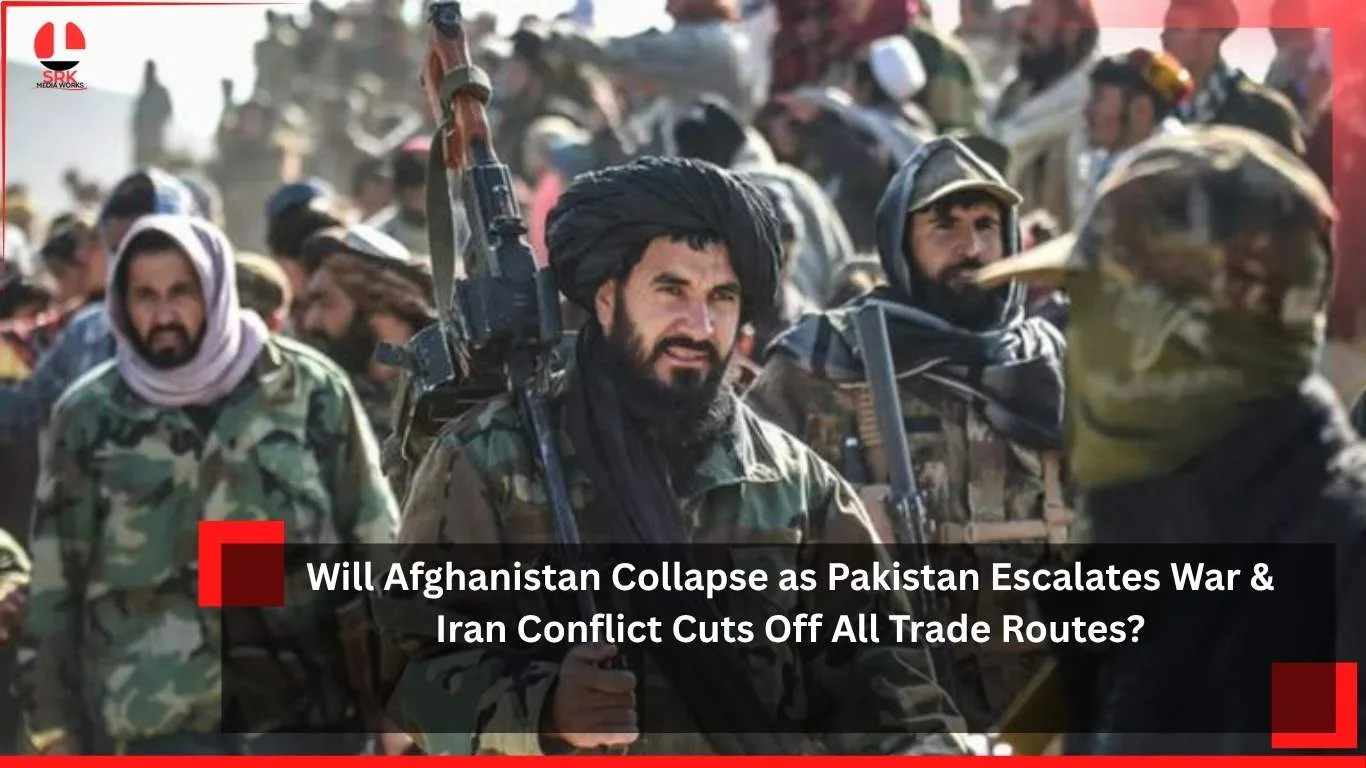
Afghanistan, already grappling with fragile governance and economic instability, faces a new existential threat as Pakistan escalates military operations along its borders and Iran’s conflict with the United States and Israel disrupts vital trade routes. The convergence of these crises has raised fears that Afghanistan could collapse under the weight of isolation, economic strangulation, and regional warfare. Analysts warn that the country’s survival hinges on its ability to adapt to rapidly shifting geopolitical realities.
Afghanistan’s Fragile State
Afghanistan has struggled to stabilize since the withdrawal of international forces. Its economy remains heavily dependent on trade routes through neighboring countries, while internal governance is plagued by factionalism, corruption, and limited institutional capacity. The escalation of external conflicts threatens to push the nation into deeper crisis.
Key Vulnerabilities:
- Heavy reliance on imports through Iran and Pakistan.
- Weak central governance and fragmented political authority.
- Dependence on foreign aid and remittances.
- Rising unemployment and poverty.
Pakistan’s Escalation
Pakistan’s military escalation along the Afghan border has intensified tensions. Cross-border skirmishes, airstrikes, and accusations of harboring militants have strained relations. For Afghanistan, Pakistan’s actions threaten both security and trade, as vital routes for goods and supplies are disrupted.
| Pakistan’s Actions | Impact on Afghanistan |
|---|---|
| Border clashes | Heightened insecurity |
| Airstrikes | Civilian displacement |
| Trade restrictions | Economic isolation |
| Diplomatic pressure | Weakening Afghan sovereignty |
Iran’s Conflict and Trade Disruption
Iran’s ongoing confrontation with the United States and Israel has led to blockades and disruptions in regional trade routes. Afghanistan, which relies on Iranian ports for access to global markets, faces severe challenges as these routes are cut off.
Consequences for Afghanistan:
- Loss of access to Iranian ports for imports and exports.
- Rising costs of essential goods due to scarcity.
- Increased reliance on smuggling and informal trade.
- Greater vulnerability to economic collapse.
Pivot Analysis: Stakeholder Narratives
| Stakeholder | Narrative | Implication |
|---|---|---|
| Afghanistan | Struggling for survival | Risk of collapse |
| Pakistan | Security and influence | Escalation of conflict |
| Iran | Resistance against U.S. and Israel | Trade disruption |
| U.S. & Israel | Strategic containment of Iran | Regional instability |
| Global Markets | Concern over energy and trade | Rising prices, uncertainty |
Economic Impact
Afghanistan’s economy is already fragile, and the combined impact of Pakistan’s escalation and Iran’s trade disruption could prove devastating. Inflation is rising, food shortages are worsening, and unemployment is surging.
| Sector | Current Status | Impact of Crisis |
|---|---|---|
| Agriculture | Limited productivity | Supply chain disruption |
| Trade | Dependent on Iran & Pakistan | Routes blocked |
| Employment | High unemployment | Further job losses |
| Aid | Reliance on foreign donors | Reduced inflows |
Social Consequences
The Afghan population is bearing the brunt of these crises. Rising prices, scarcity of goods, and insecurity are fueling public discontent. Protests and unrest are likely to grow, further destabilizing the government.
- Food Security: Shortages of wheat, rice, and essential goods.
- Healthcare: Limited access to medicines due to blocked imports.
- Education: Schools disrupted by insecurity and economic hardship.
- Migration: Increased refugee flows to neighboring countries.
Historical Parallels
Afghanistan’s current predicament echoes past collapses triggered by external pressures and internal weaknesses. The Soviet withdrawal in the late 1980s and the U.S. withdrawal in recent years both left power vacuums that external actors exploited. Today’s crisis, however, is compounded by simultaneous conflicts involving Pakistan and Iran.
International Reactions
- United Nations: Calls for humanitarian aid and diplomatic resolution.
- India: Concerned about regional instability and refugee flows.
- China: Seeks to protect Belt and Road investments in the region.
- Russia: Explores opportunities to expand influence amid chaos.
Possible Scenarios
| Scenario | Outcome |
|---|---|
| Collapse | Afghanistan faces economic and political breakdown |
| Adaptation | Diversification of trade routes, reliance on Central Asia |
| Escalation | Wider regional war involving multiple actors |
| Diplomacy | Negotiated settlement stabilizes trade and security |
Conclusion
Afghanistan stands at a crossroads as Pakistan escalates war and Iran’s conflict cuts off vital trade routes. The convergence of these crises threatens to push the country toward collapse, with devastating consequences for its people and the wider region. Whether Afghanistan can survive depends on its ability to secure alternative trade routes, stabilize governance, and navigate the complex geopolitics of South Asia and the Middle East.
Disclaimer
This article is intended for informational and analytical purposes only. It does not represent the official stance of any government, institution, or individual mentioned. The content is based on geopolitical analysis, historical parallels, and public reports. Readers are encouraged to explore multiple perspectives for a comprehensive understanding of the issue.