





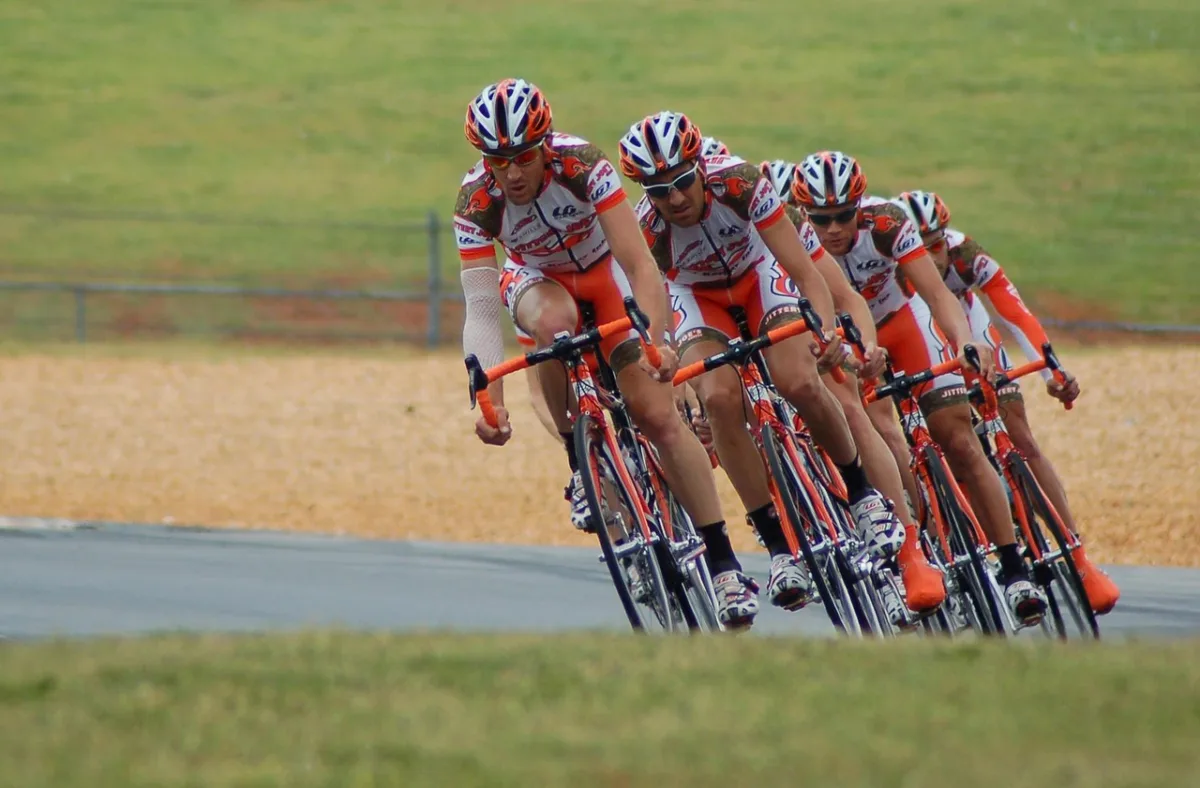
Four teenage cyclists from Tamil Nadu are currently commanding national attention as they prepare for the high-stakes Track Asia Cup, a premier cycling event that serves as a gateway to international competition. Balancing the rigorous demands of secondary education with grueling early-morning training sessions at state-of-the-art velodromes, these young athletes represent a burgeoning generation of Indian cyclists determined to break into a sport traditionally dominated by global powers.
The Evolution of Indian Track Cycling
Track cycling in India has historically struggled with infrastructure deficits and limited institutional support. However, recent government initiatives and the establishment of specialized training academies have shifted the landscape significantly.
The Cycling Federation of India (CFI) has reported a 40% increase in grassroots participation over the last three years. This surge is largely attributed to better access to velodromes and increased visibility of the sport through international broadcasts.
Rigorous Training and Personal Sacrifice
For these athletes, the path to the Track Asia Cup is paved with discipline. Their daily routines often begin at 4:00 AM, combining strength conditioning with tactical drills under the guidance of state-appointed coaches.
Beyond the physical toll, these teenagers face the delicate challenge of maintaining academic standing while competing at an elite level. Many schools in the region have begun offering flexible scheduling to accommodate the travel and recovery requirements of these burgeoning athletes.
Coaches emphasize that the psychological pressure is equally demanding. “At this age, they are learning to manage the weight of expectation from their families and their state,” says a regional cycling coordinator.
Data Points on Performance Growth
Recent performance metrics from the state championships indicate that Tamil Nadu’s youth contingent is consistently shaving seconds off their personal bests in the 200m sprint and team pursuit events. These improvements are not accidental; they are the result of data-driven training programs that monitor power output, heart rate variability, and aerodynamic efficiency.
Industry analysts note that the investment in carbon fiber frames and specialized cycling gear has also played a pivotal role. The gap between Indian performance times and international benchmarks has narrowed by nearly 15% since 2020.
Future Implications for the Sport
The success of these teenagers serves as a litmus test for the sustainability of India’s cycling pipeline. If these athletes perform well at the Track Asia Cup, it is expected to trigger increased corporate sponsorships and local government funding for regional training centers.
For the industry, the focus now shifts toward scouting and talent retention. Observers are watching to see if the current momentum can survive the transition from junior to senior-level competition, a period where many promising athletes historically drop out due to financial constraints.
As the competition date approaches, all eyes remain on the track. The performance of these four cyclists will likely dictate the tone for national investment in velodrome sports for the next Olympic cycle.