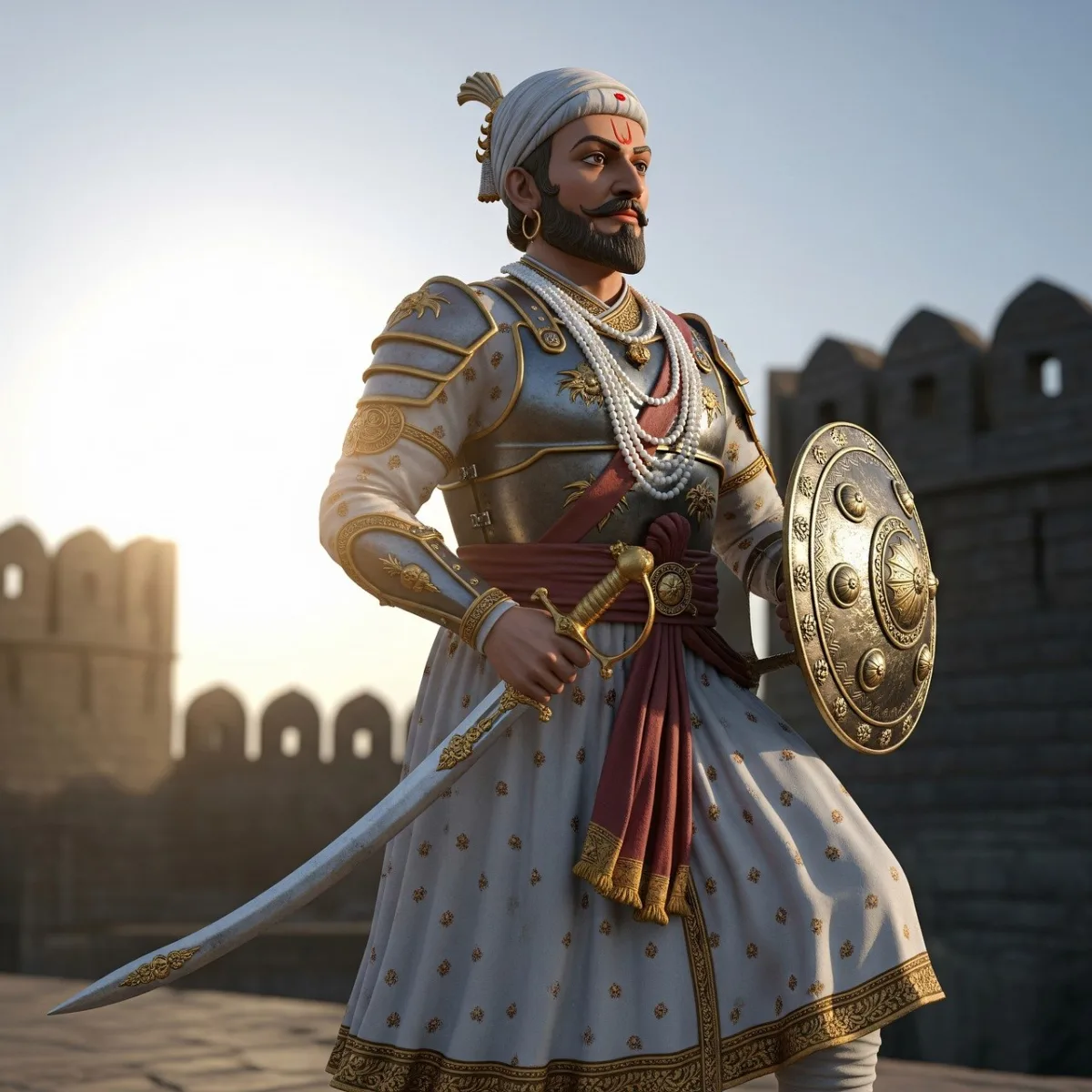





In a resounding display of cinematic prowess, Riteish Deshmukh’s latest directorial and acting venture, Raja Shivaji, commanded the Indian box office on its opening day, pulling in a staggering Rs 11.35 crore across both its Hindi and Marathi iterations. The film, which chronicles the legendary life of the Maratha warrior king, Chhatrapati Shivaji Maharaj, has ignited a fervent response from audiences nationwide, marking a significant moment in regional cinema’s ascendancy on the pan-Indian stage.
The Weight of History on Screen
The cinematic portrayal of Chhatrapati Shivaji Maharaj has long been a cultural touchstone in India, representing not merely a historical biography but a deep-seated identity for millions. Riteish Deshmukh’s interpretation arrives at a time when audiences are increasingly seeking narratives that bridge the gap between historical grandeur and visceral, contemporary storytelling.
By choosing to release the film simultaneously in Hindi and Marathi, the production team tapped into a broader demographic reach, effectively dismantling the traditional barriers that once constrained regional language films. This strategic release pattern echoes a growing trend in Indian cinema where linguistic boundaries are becoming increasingly porous, allowing stories steeped in local heritage to find universal resonance.
A Triumphant Reception
The film’s opening day performance has been described by industry veterans as nothing short of a spectacle. Renowned filmmaker Ram Gopal Varma, known for his incisive and often provocative critiques, took to social media to laud the project, characterizing its performance as “slashing and smashing the box office.”
This critical endorsement serves as a barometer for the film’s technical and emotional reception. The visceral nature of Varma’s praise suggests that Raja Shivaji succeeds not just in its historical accuracy, but in its ability to deliver the high-octane drama and intensity that modern moviegoers demand.
The Anatomy of Success
Data points from trade analysts indicate that the film’s earnings were bolstered by strong occupancy rates in Maharashtra, while simultaneously seeing significant traction in major urban centers across North India. This distribution success suggests that the hunger for historical epics remains insatiable.
Cinematic experts point to the film’s production design and Riteish Deshmukh’s immersive performance as the primary drivers of this initial surge. The film balances the gravitas of a ruler with the intimate struggles of a man, a duality that has resonated deeply with the initial wave of theater-goers.
Industry Implications
The success of Raja Shivaji signals a shift in the economic viability of historical dramas. Producers and studios are increasingly recognizing that when regional stories are handled with high production values and a clear vision, the potential for national-level revenue is exponential rather than linear.
For the average viewer, this trend implies a future where local histories are granted the same cinematic grandeur as international blockbusters. It invites a broader conversation about how India chooses to immortalize its heroes, moving away from static textbook accounts toward dynamic, sensory-rich experiences.
The Road Ahead
As the film enters its first full week, industry analysts are watching closely to see if the momentum can be sustained beyond the initial wave of curiosity. The true test of a film’s legacy often lies in its ability to maintain occupancy during the work week, a hurdle that will determine if Raja Shivaji transitions from a successful opening to a historic box office milestone.
Looking forward, the industry must evaluate whether this success will lead to a glut of historical biopics or if it will inspire filmmakers to explore more diverse regional narratives with similar intensity. The immediate future will likely see a surge in investments for high-concept, culturally rooted projects as studios scramble to replicate this winning formula.