



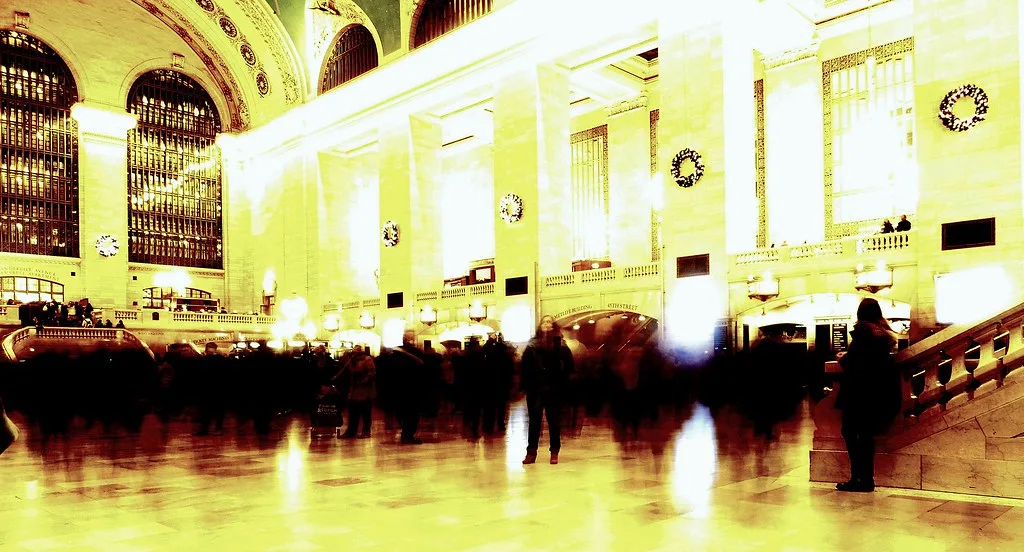
New York City is actively revitalizing its most cherished landmarks, including Grand Central Terminal, the Hotel Chelsea, and the Fulton Fish Market, introducing innovative attractions and experiences to draw both tourists and locals. This ongoing effort aims to preserve the historical significance of these sites while adapting them for contemporary enjoyment, ensuring their continued relevance in the city’s dynamic cultural landscape.
Grand Central Terminal’s Evolving Offerings
Grand Central Terminal, a Beaux-Arts masterpiece, is more than just a transportation hub; it’s a destination in itself. Recent initiatives have focused on enhancing the visitor experience beyond its architectural splendor.
The Whispering Gallery, a popular acoustic anomaly, continues to enchant visitors. New retail and dining options have also been introduced, offering a curated selection of local and international brands, as well as diverse culinary experiences ranging from quick bites to fine dining. These additions aim to make the terminal a more comprehensive destination for shoppers and food enthusiasts.
The Hotel Chelsea: A Historic Revival
The legendary Hotel Chelsea, a sanctuary for artists and writers for over a century, has undergone extensive renovations. The hotel reopened its doors, aiming to blend its storied past with modern luxury and hospitality.
While preserving its iconic facade and historical interiors, the renovation introduced updated amenities and services. The hotel now aims to attract a new generation of travelers while honoring its legacy as a bohemian haven. Its unique history continues to be a significant draw, offering guests a chance to stay within walls that have witnessed generations of artistic creation.
Fulton Fish Market’s Modern Transformation
The historic Fulton Fish Market, a vital part of New York’s culinary heritage, has also seen significant changes. While maintaining its role as a premier wholesale seafood market, it has also embraced public accessibility and modern retail concepts.
New public-facing market areas and restaurants have been established, allowing visitors to experience the vibrant atmosphere and sample fresh seafood. This evolution seeks to balance the market’s operational needs with its potential as a tourist attraction, celebrating its rich history and its ongoing contribution to the city’s food scene.
A Trend of Adaptive Reuse and Experiential Tourism
These developments reflect a broader trend in New York City: the adaptive reuse of historical sites to create new, engaging experiences. The city recognizes the immense value of its heritage locations and is investing in their future.
By integrating modern amenities, interactive elements, and enhanced services, these landmarks are being repositioned not just as historical monuments but as vibrant, living parts of the city’s contemporary culture. This strategy appeals to the growing demand for experiential tourism, where visitors seek authentic and immersive interactions with a destination’s unique character.
Expert Insights on Heritage Preservation
Urban planners and heritage preservationists note the importance of such revitalization projects. “Successfully reimagining historic sites requires a delicate balance between preservation and innovation,” states Dr. Eleanor Vance, a professor of Urban Studies at Columbia University. “When done correctly, it not only preserves our past but also enriches our present and future, making these places more accessible and engaging for everyone.”
Data from NYC & Company, the city’s tourism marketing organization, indicates a rise in interest in historical and cultural attractions. “Visitors are increasingly looking for authentic experiences that connect them to the soul of a city,” a spokesperson noted. “Revitalizing landmarks like Grand Central and the Hotel Chelsea taps into this desire, offering unique stories and memorable moments.”
Implications for Visitors and the City
For visitors, these revitalizations mean more diverse and engaging ways to explore New York’s iconic past. Travelers can now experience these historical sites not just as passive observers but as active participants in their ongoing narrative.
For the city, these projects contribute to economic growth by attracting more tourists and fostering local patronage. They also reinforce New York’s image as a city that honors its history while constantly innovating and reinventing itself. The success of these ongoing transformations will likely influence future preservation and development strategies for other historic urban centers.
What to Watch Next
As New York City continues its commitment to breathing new life into its cherished locations, attention will be on how these revitalized landmarks sustain their appeal and integrate further with the city’s evolving identity. Future projects may focus on digital integration, sustainability initiatives, and even more immersive storytelling to further captivate audiences and ensure these historical treasures remain relevant for generations to come.