



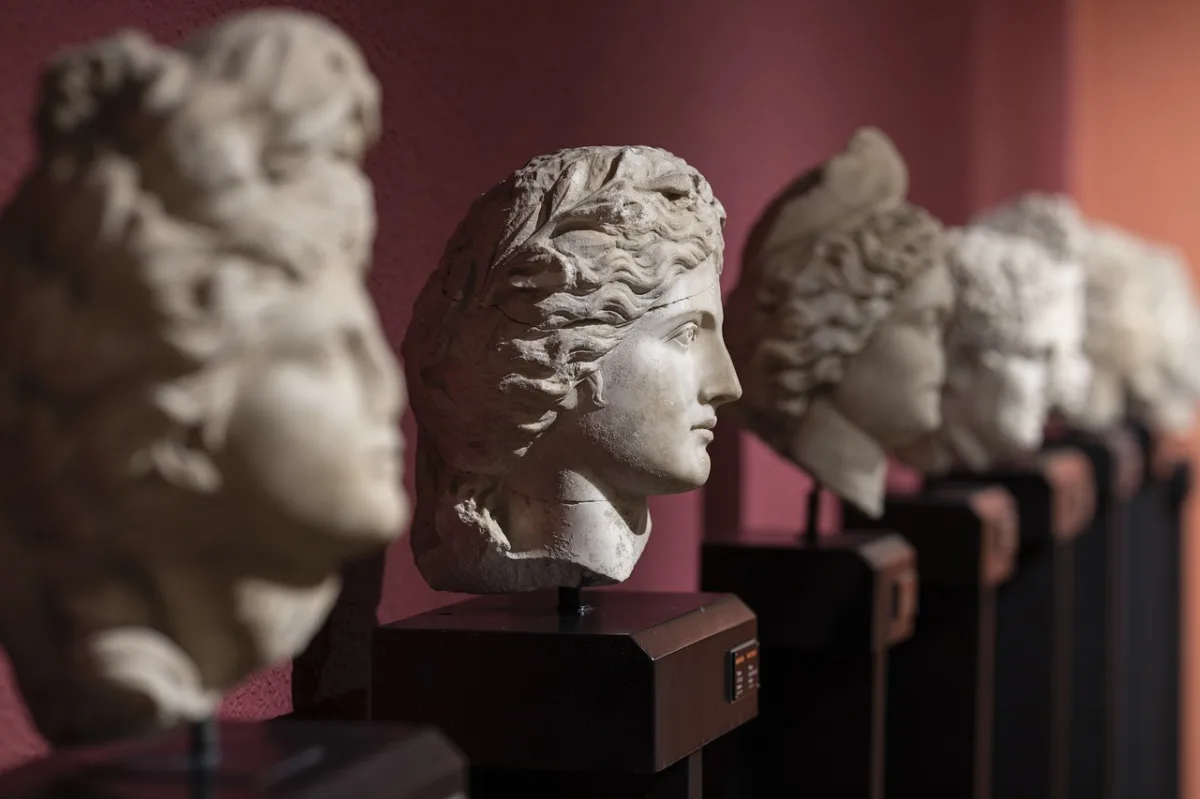
Paris, a city synonymous with world-class art and history, is drawing attention to its array of lesser-known museums this season. While the Louvre attracts millions annually, a growing trend sees visitors and locals alike seeking out smaller, specialized institutions that promise fewer crowds and more intimate encounters with art and artifacts. These alternative destinations are providing compelling and unusual displays, offering a fresh perspective on Parisian culture away from the typical tourist trails.
The Allure of the Uncrowded
The sheer volume of visitors to major landmarks like the Louvre can often detract from the experience, leading to rushed viewings and a sense of being overwhelmed. Many travelers are now actively searching for experiences that offer a more personal connection with the exhibits.
This shift in preference is driven by a desire for authenticity and a deeper dive into specific niches of art, history, or science. Smaller museums, often housed in historic buildings themselves, provide a tranquil environment conducive to contemplation and discovery.
A Glimpse into Paris’s Diverse Collections
Beyond the iconic glass pyramid, Paris boasts a rich tapestry of museums catering to a multitude of interests. For instance, the Musée Marmottan Monet is celebrated for its extensive collection of works by Claude Monet, including the painting that gave Impressionism its name. It offers a focused look at the artist and his contemporaries.
Another compelling option is the Musée Rodin, dedicated to the sculptor Auguste Rodin. Visitors can wander through the beautiful gardens adorned with his famous works like ‘The Thinker’ and ‘The Kiss,’ experiencing his art in an open-air setting that complements the powerful emotion of his sculptures.
For those fascinated by the macabre and the historical, the Musée des Arts et Métiers presents a fascinating journey through the history of scientific and technological innovation. Its collection spans centuries, featuring everything from early scientific instruments to iconic inventions like Pascal’s calculator and Foucault’s pendulum.
Data Supports the Trend
While precise visitor numbers for smaller museums are not as widely publicized as those for the Louvre, anecdotal evidence and booking trends suggest a significant uptick in interest. Travel forums and blogs increasingly feature recommendations for these alternative sites, highlighting their unique offerings and crowd-free advantages.
Some institutions have reported steady visitor growth over the past few years. For example, the Musée de la Vie Romantique, dedicated to the artistic and literary figures of the Romantic era, often sees visitors drawn to its charming atmosphere and intimate exhibitions, providing a stark contrast to the bustling halls of larger museums.
Expert Insights on Cultural Tourism
Cultural tourism experts note that this trend aligns with a broader movement towards experiential travel. “Travelers today are looking for more than just sightseeing; they want to immerse themselves in the local culture and discover hidden gems,” states Dr. Anya Sharma, a professor of Cultural Studies at Sorbonne University. “Smaller museums offer that unique, authentic connection that larger, more commercialized institutions sometimes struggle to provide.”
She adds that these venues often have passionate curators who can offer deeper insights, transforming a simple visit into an educational and memorable journey. The accessibility and personal scale of these museums foster a sense of discovery and connection.
Implications for Visitors and the City
For visitors, this trend means a richer, more personalized Parisian experience. It allows for a deeper appreciation of the city’s multifaceted cultural landscape, moving beyond the universally recognized icons to explore specialized collections.
For the city of Paris and its smaller cultural institutions, it presents an opportunity for increased recognition and sustainable tourism. By drawing visitors to a wider range of locations, it can help alleviate pressure on overcrowded sites and distribute economic benefits more evenly across different neighborhoods.
What to Watch Next
As the appeal of these hidden gems grows, it will be interesting to see if more specialized museums begin to curate even more niche exhibitions to attract specific interests. The potential for digital integration, offering augmented reality tours or virtual collections, could also enhance the visitor experience without compromising the intimate atmosphere. Expect to see more curated lists and travel guides focusing on these unique Parisian cultural spots in the coming seasons.