



Rising Toll in Southern Lebanon
Israeli military strikes across southern Lebanon resulted in the deaths of at least 51 individuals over the past 24 hours, including several medical personnel caught in the crossfire. This surge in violence marks a significant escalation in the ongoing regional conflict, which has persisted despite a nominal ceasefire agreement that technically took effect on April 16.
Context of the Conflict
The hostilities between Israeli forces and Lebanese-based factions have intensified sharply over the last two months. Since the April 16 ceasefire date, the Lebanese Ministry of Health reports that at least 552 people have been killed in various strikes. The region remains highly volatile as diplomatic efforts to enforce a lasting peace continue to falter.
Humanitarian Impact and Medical Casualties
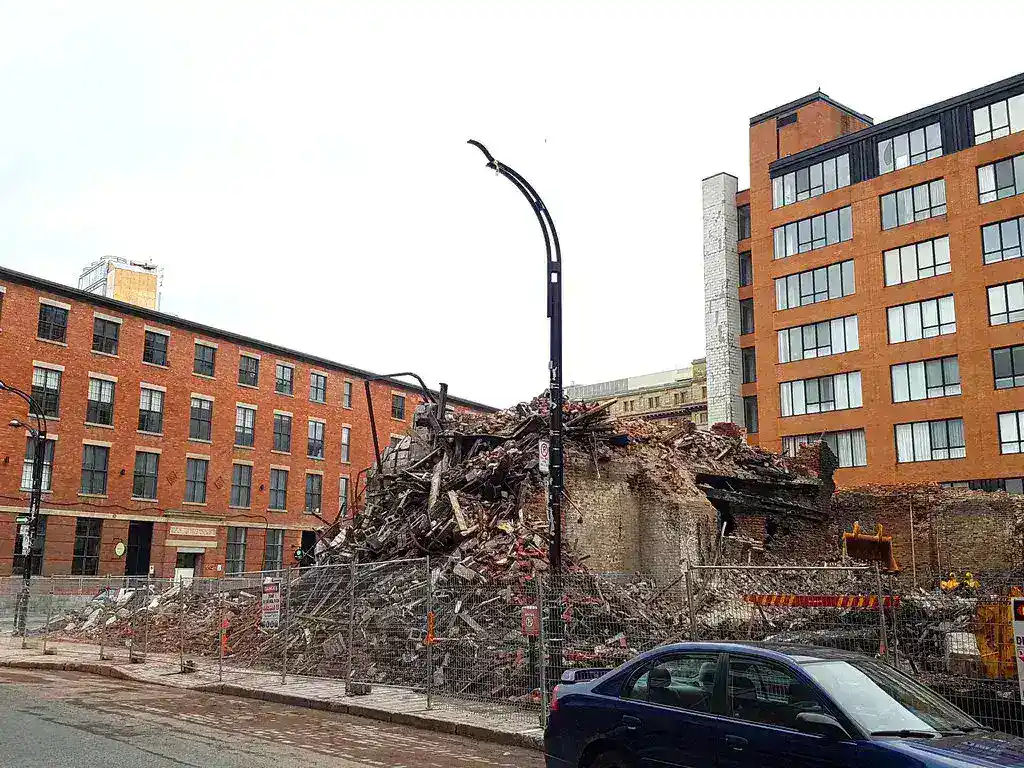
The inclusion of medical workers among the latest fatalities has drawn urgent condemnation from humanitarian organizations. International humanitarian law dictates that medical facilities and personnel should be protected during periods of armed conflict. The destruction of local infrastructure further complicates the delivery of emergency services to wounded civilians trapped in the southern border zones.
Strategic Shifts and Military Operations
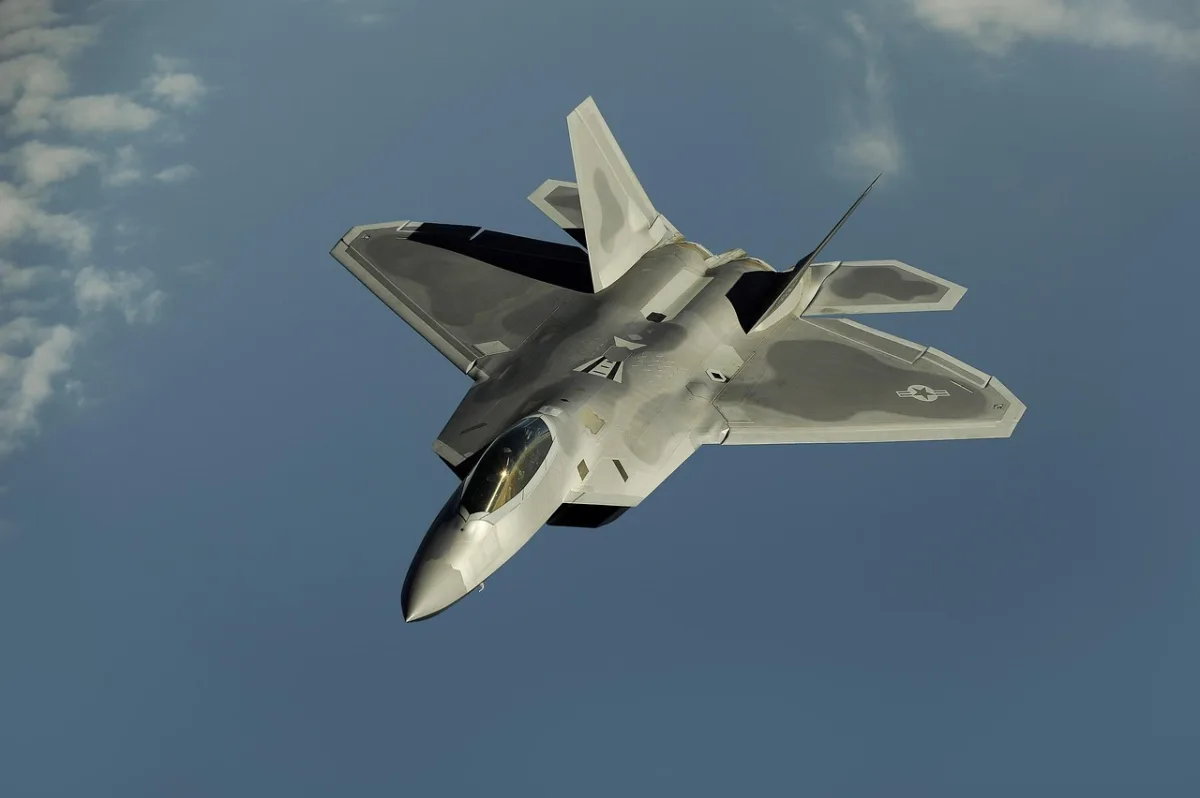
Military analysts suggest that the recent uptick in airstrikes indicates a shift in tactical objectives, with forces targeting deeper into Lebanese territory. Observers note that these operations are aimed at disrupting supply lines and neutralizing specific defensive positions. However, the geographic spread of the strikes has led to increased displacement of civilian populations residing in the affected villages.
Data and Expert Analysis
According to data tracked by the United Nations, the displacement of civilians in southern Lebanon has reached record levels since the conflict intensified. Regional security experts point to a breakdown in communication channels that previously served to de-escalate localized skirmishes. The failure to maintain the April 16 ceasefire has created a security vacuum that complicates regional stability efforts.
Future Implications for the Region
The continued loss of life and destruction of property suggest that the conflict is moving toward a more protracted phase. Observers are watching for potential shifts in diplomatic pressure from international mediators, particularly regarding the enforcement of the stalled ceasefire. The coming weeks will be critical in determining whether the cycle of violence can be contained or if the theater of operations will expand further into northern Lebanon.