




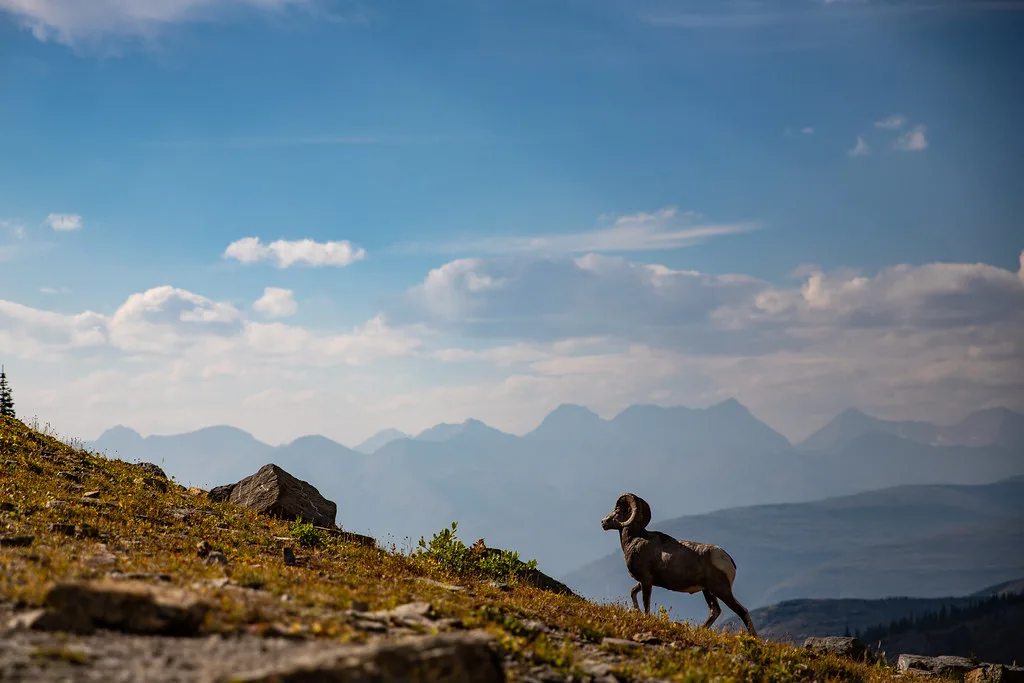
National Park Service officials confirmed on Wednesday that a hiker was killed by a bear in Glacier National Park, Montana, following a multi-day search that concluded with the discovery of the victim’s body. The man, who had embarked on a solo hike three days prior, suffered injuries consistent with a violent encounter with a bear, prompting park authorities to close several trails as they investigate the circumstances of the attack.
Context of Human-Wildlife Conflict
Glacier National Park is home to a significant population of grizzly and black bears, making cohabitation between hikers and apex predators a constant reality for park management. According to the National Park Service, while bear attacks are statistically rare, the park maintains strict guidelines regarding food storage and hiker behavior to minimize risks. Previous encounters in the region have historically led to temporary trail closures and increased public awareness campaigns regarding the use of bear spray.
Investigation and Search Efforts
Park rangers initiated a search operation after the hiker failed to return from his planned route at the expected time. Search and rescue teams utilized ground crews and aerial support to scan the rugged terrain, eventually locating the man deceased in a remote section of the park. Preliminary findings by forensic investigators indicate that the injuries sustained were the direct result of a bear interaction, though officials have not yet identified the specific species or the behavior that triggered the encounter.
Expert Perspectives on Bear Safety
Wildlife biologists emphasize that bear behavior is often unpredictable, particularly when an animal is surprised or defending a food source. Data from the Interagency Grizzly Bear Committee suggests that carrying bear spray is the most effective deterrent for preventing physical contact during an encounter. Experts recommend that hikers travel in groups, make noise to avoid startling animals, and remain hyper-vigilant in areas known for high bear activity, such as dense brush or near animal carcasses.
Implications for Park Visitors
This incident serves as a sobering reminder of the inherent dangers associated with wilderness recreation in grizzly country. For the outdoor industry and park management, the tragedy highlights the ongoing challenge of balancing public access to protected lands with the necessity of wildlife conservation. Visitors to national parks are increasingly being urged to attend mandatory orientation briefings and adhere strictly to