



Two individuals were hospitalized following a multi-vehicle collision that forced the complete closure of all lanes on a major interstate early Tuesday morning. Local emergency responders arrived at the scene shortly after 6:00 a.m. to stabilize the victims and clear the wreckage, leading to significant traffic delays for thousands of morning commuters.
Context of the Incident
Interstate traffic patterns have faced increased scrutiny in recent months as regional authorities report a rise in high-speed collisions. According to the Department of Transportation, traffic volume on this specific artery has increased by 12% over the last fiscal year, placing additional strain on existing infrastructure and emergency response capabilities.
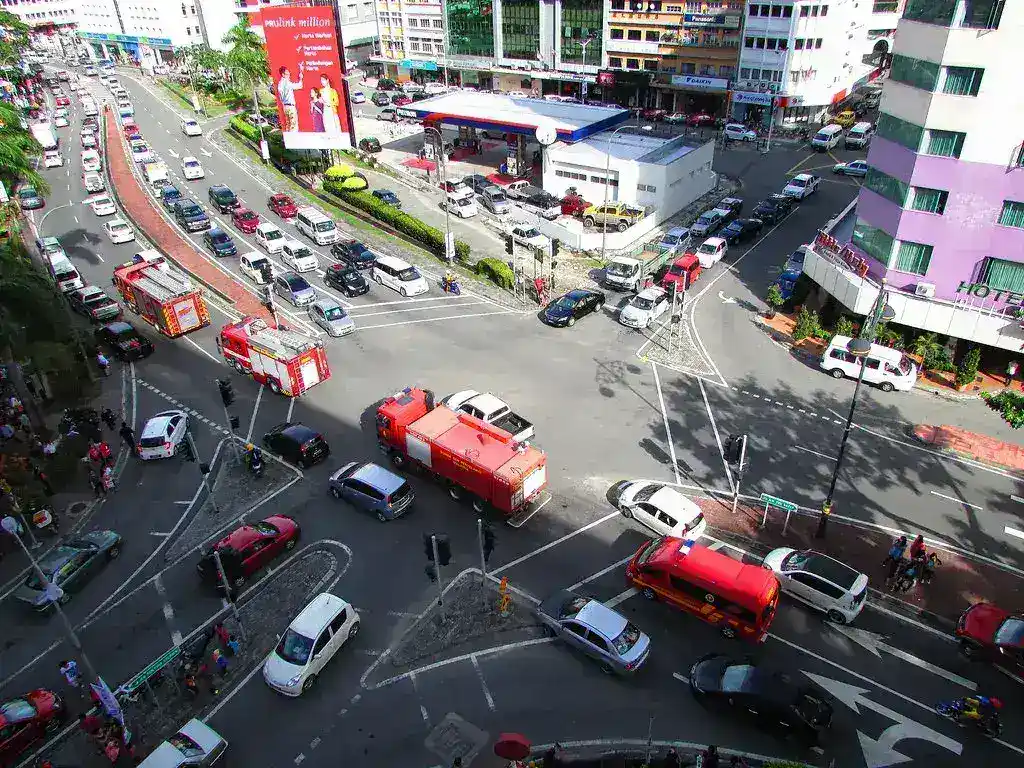
The closure, which lasted approximately three hours, required state troopers to divert thousands of vehicles onto secondary surface streets. This diversion caused gridlock in surrounding residential neighborhoods, highlighting the vulnerability of the current regional transit network during major arterial disruptions.
Detailed Coverage and Investigation
Initial reports from the scene suggest that the accident involved at least three vehicles, one of which reportedly struck the center median before overturning. Fire and rescue teams utilized hydraulic tools to extricate the two injured passengers, both of whom were transported to the nearest trauma center in critical but stable condition.
Investigators from the state highway patrol are currently reviewing dashcam footage and witness statements to determine the primary cause of the collision. While preliminary findings point toward excessive speed and lane-change errors, officials have yet to file formal charges as the investigation remains active.
Expert Perspectives and Data
Traffic safety analysts note that the absence of automated speed enforcement in high-density corridors often contributes to increased accident severity. “When you combine high traffic volume with aggressive driving behaviors, the margin for error effectively vanishes,” says Dr. Elena Vance, a transportation policy researcher.
Data from the National Highway Traffic Safety Administration (NHTSA) indicates that multi-vehicle pileups on interstates are frequently linked to “phantom traffic jams,” where sudden braking at the front of a column creates a ripple effect. Modern driver-assistance systems are intended to mitigate these risks, yet human intervention remains a critical factor in preventing secondary collisions during peak travel hours.
Future Implications
For daily commuters, the incident serves as a stark reminder of the importance of maintaining safe following distances and monitoring traffic flow far ahead of their own vehicle. Industry experts suggest that the integration of smart-highway technology, which provides real-time alerts to drivers about upcoming hazards, could be the next major step in reducing such closures.
Regulatory bodies are expected to discuss potential infrastructure upgrades during the next quarterly planning session, including the installation of additional overhead lane-control signaling. As regional population growth continues to outpace road capacity, authorities will likely prioritize traffic management strategies that allow for rapid incident clearance, ensuring that future accidents do not paralyze the entire metropolitan transit network.