



U.S. health officials and federal authorities have mobilized a coordinated response this week following the return of a cruise ship carrying passengers exposed to hantavirus, while simultaneously, the White House has signaled a push to suspend the federal gas tax to combat record-high fuel prices spurred by the ongoing conflict with Iran.
The Hantavirus Quarantine Protocol
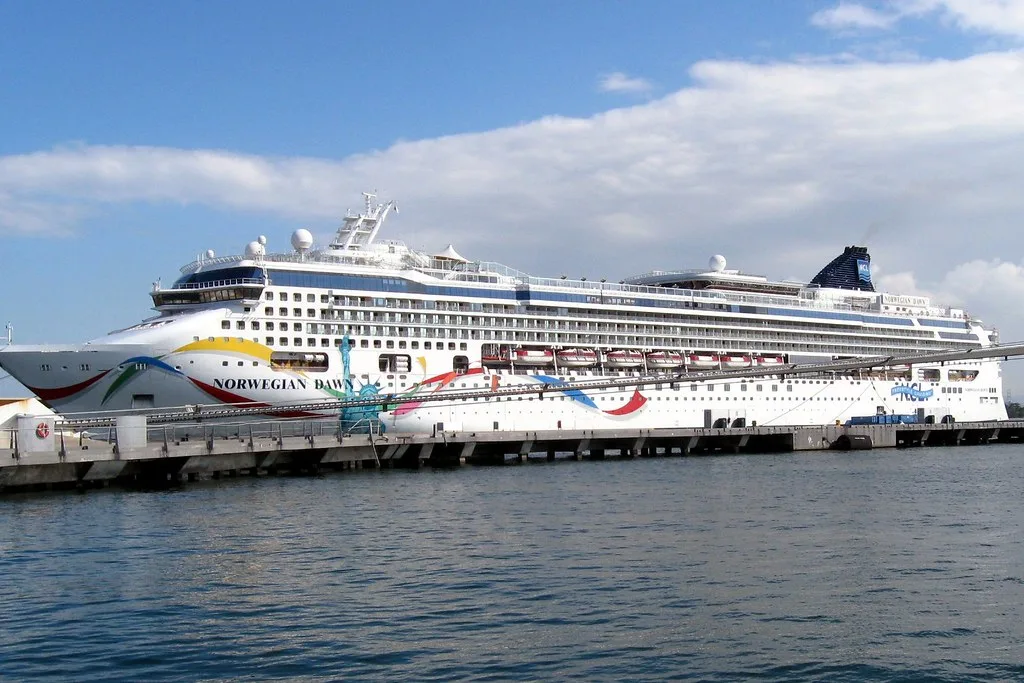
Passengers arriving at U.S. ports from the affected vessel are currently entering mandatory quarantine as the Centers for Disease Control and Prevention (CDC) monitors for potential symptoms. Hantavirus, a rare but severe respiratory disease primarily transmitted through contact with rodent droppings, remains a significant concern for health officials who are prioritizing containment to prevent community transmission.
Medical experts note that while hantavirus is not typically spread from person to person, the quarantine is a precautionary measure to ensure proper screening of travelers who may have been exposed during their time on the ship. The CDC has stated that early detection is critical for patient outcomes, as the virus can lead to Hantavirus Pulmonary Syndrome (HPS), a condition with a high mortality rate if left untreated.
Economic Volatility and the Gas Tax Proposal
Simultaneously, the Biden administration is navigating the economic fallout of the escalating war between the U.S. and Iran, which has sent global oil prices surging. President Trump has proposed a federal gas tax holiday, a move intended to provide immediate financial relief to American motorists struggling with the rising cost of living.
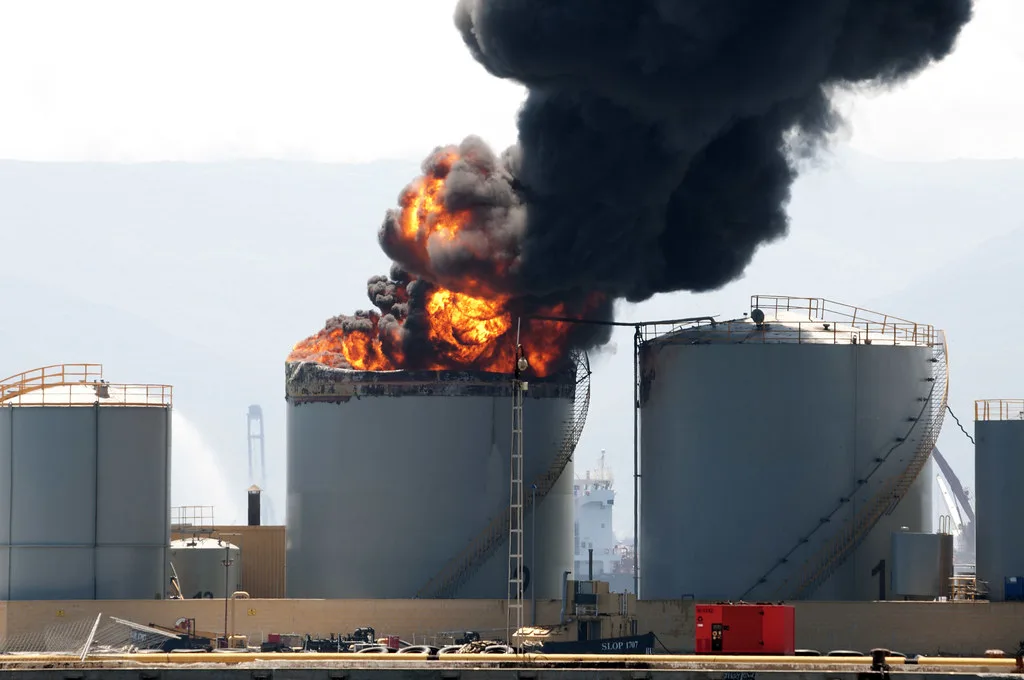
Economic analysts report that the national average for a gallon of regular gasoline has reached unprecedented levels in recent days. While a suspension of the federal tax could lower prices at the pump by approximately 18 cents per gallon, critics argue the move might strain the Highway Trust Fund and offer only marginal relief compared to the broader inflationary pressures caused by the geopolitical conflict.
Broader Implications for Industry and Policy
The dual crises highlight the vulnerability of global supply chains and travel industries in an era of geopolitical instability. Travel industry experts suggest that the cruise ship incident may lead to more stringent sanitation and health screening requirements for international maritime vessels, potentially impacting future booking trends and operational costs.
Furthermore, the debate over the gas tax underscores a deep divide regarding domestic energy policy. Proponents of the tax suspension emphasize the need for immediate consumer relief, while energy economists warn that the move could inadvertently increase demand at a time when the global supply remains constrained by war-related sanctions and production disruptions.
Monitoring Future Developments
Looking ahead, public health officials will closely watch the quarantine period for any evidence of viral transmission, which will dictate the duration of isolation and the scope of follow-up care for passengers. Meanwhile, legislative observers are focused on whether the gas tax proposal can clear a divided Congress, as lawmakers weigh the benefits of immediate price relief against the long-term sustainability of infrastructure funding.
The intersection of these two events signals a period of heightened uncertainty for the American public. As the conflict with Iran continues to influence global energy markets, and as health agencies refine their containment strategies for infectious diseases, the administration faces mounting pressure to demonstrate both economic stability and public health readiness.