



The Interplay of Ancient Disciplines
As the world prepares to celebrate the 10th International Yoga Day on June 21, Surupa Sen, the renowned artistic director of the Nrityagram Dance Ensemble, is highlighting the profound symbiotic relationship between the ancient practice of yoga and the classical Indian dance form of Odissi. Speaking from the Nrityagram village in Bengaluru, Sen argues that these disciplines serve as dual pillars for physical longevity and mental clarity, providing a holistic framework for practitioners to navigate modern stressors.
Yoga and classical dance share historical roots in the Natya Shastra, the foundational text for Indian performing arts. For centuries, practitioners have utilized the principles of ‘asana’ (posture) and ‘pranayama’ (breath control) to prepare the body for the rigorous physical demands of dance. Sen emphasizes that while yoga focuses on internal stillness, Odissi demands an external expression of that same meditative state, creating a seamless transition between interior focus and exterior performance.
Bridging Movement and Mindfulness
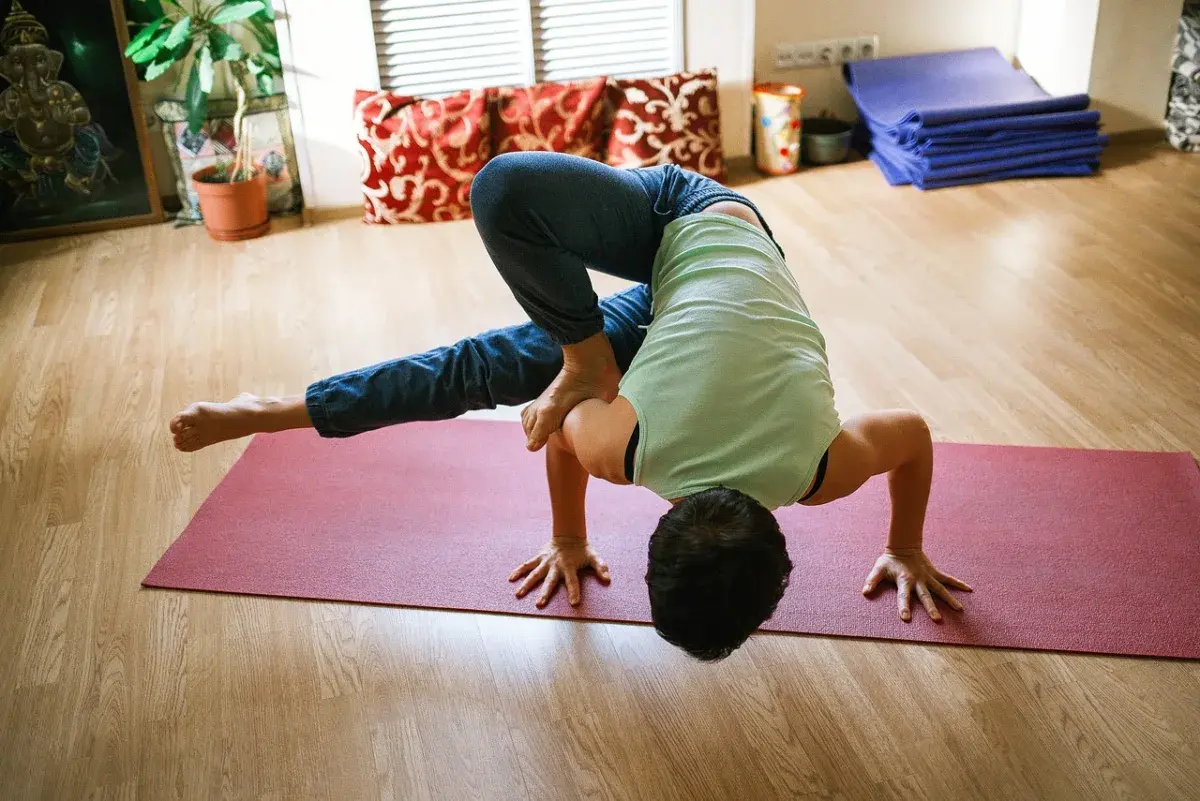
The technical requirements of Odissi, characterized by the ‘tribhanga’—a three-bend posture—necessitate a level of core strength and flexibility that mirrors advanced yoga practice. According to data from the International Association of Dance Medicine and Science, dancers who incorporate yoga into their training regimens show a 20 percent reduction in injury rates. Sen notes that this is because both disciplines prioritize the alignment of the spine and the intentional engagement of the pelvic floor.
Beyond the physical benefits, the psychological impact remains a primary motivator for practitioners. Sen explains that the repetition inherent in both yoga and dance acts as a form of moving meditation. By focusing on the synchronization of breath with movement, the practitioner silences the ‘chatter’ of the mind, a concept supported by recent studies in the Journal of Bodywork and Movement Therapies regarding the reduction of cortisol levels through rhythmic physical activity.
Industry and Personal Implications
For the professional dance community, the integration of yoga has evolved from an optional supplement to a fundamental necessity. Many leading global dance companies now mandate daily yoga sessions to ensure longevity in a career field often plagued by chronic physical strain. This trend reflects a broader shift in wellness, where high-performance athletes are increasingly turning to mindfulness-based movement to maintain peak condition.
For the average reader, the lesson is one of balance. Sen suggests that one does not need to be a professional dancer to reap these rewards; rather, incorporating short, intentional movements into a daily yoga practice can transform the way the body processes stress. This approach encourages individuals to view their physical health not as a series of isolated workouts, but as a continuous practice of self-awareness.
The Future of Integrative Movement
Looking ahead, the intersection of traditional arts and wellness science is expected to grow. Experts predict that hybrid classes combining Hatha Yoga with classical dance aesthetics will become more prevalent in urban fitness centers, catering to a demographic seeking both physical conditioning and cultural enrichment. As the global awareness of mental health continues to rise, the emphasis on practices that bridge the gap between body and mind will likely become the cornerstone of future public health initiatives. Observers should watch for new research emerging in 2025 regarding the long-term cognitive benefits of combining rhythmic dance with static yoga postures.